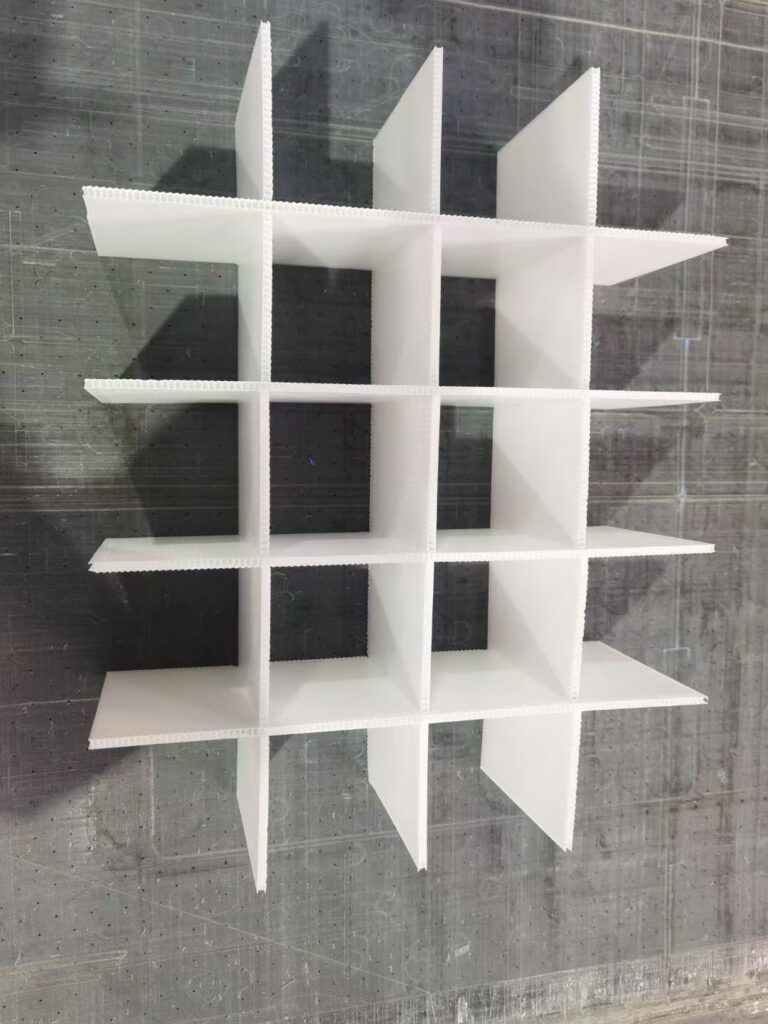
A packaging project needs different information at each stage. An initial inquiry can start with open questions; a sample decision needs a defined configuration and recorded checks. Use this checklist to identify the next decision and the record needed to make it.
Mark each requirement as confirmed, estimated or unknown. For an open item, name who will check it and what the answer will affect. Keep that status with the project as the drawing, quotation and sample change.
1. Define the job before choosing a configuration
Record what will be packed, where the packaging will be used and which constraints are fixed. Distinguish an existing shelf or container limit from a preferred packing quantity that can still change.
The output is a short project brief with known facts and open questions. For a divider project, use the divider design inputs guide. For movement, storage and the return route, use the handling requirements guide. Resolve the gaps that affect the proposed configuration before treating it as agreed.
2. Make the dimensions unambiguous
Label the object measured, measurement points, units and assembled condition on a sketch or photograph. Keep the product envelope separate from the space available for packaging.
- For interlocking inserts, distinguish the clear divider cell opening from the overall grid.
- For a container, distinguish usable internal space from external box dimensions.
- For converted sheet products, distinguish sheet size from finished part size.
The output is a labeled measurement record tied to a drawing or sample reference. Leave unmeasured values open rather than filling them with assumptions.
3. Give the quotation a defined scope
Identify the configuration and revision being priced, the quantity basis, destination and any assumptions still affecting the offer. State which components or fittings are being requested so they can be confirmed in the quotation.
Use the divider quotation checklist for a divider inquiry. If a box drawing is not available, the quote-without-a-drawing guide explains how to start with photographs, a sketch and known constraints.
The output is a quotation reference with its scope and unresolved assumptions. A price based on an unconfirmed configuration does not establish that the design is ready for production.
4. Agree what the sample must demonstrate
Before the trial, identify the sample revision, representative contents, working conditions and acceptance criteria. Record observations and any modifications made during the check. Use the sample feedback guide to keep photographs, measurements and next actions together.
The output is a decision for the checked configuration: accepted for the stated scope, changes required, or checks still open. A successful fit check does not close untested load, stacking or transport requirements.
5. Check changes before a repeat order
Compare the proposed order with the approved drawing, sample and previous order reference. Check whether the part, wrapping, container or handling method has changed. For inserts and replacement strips, use the divider reorder checklist.
The output is a confirmed revision and a list of changes requiring review. Keep superseded references identifiable so an old photograph or drawing cannot silently become the order basis.
Keep a short review record
For each open decision, record: the requirement, its status, the supporting reference and date, the person responsible, the next action and the decision affected. Update the relevant item when evidence arrives. Keep unresolved requirements visible instead of marking the whole project approved because one check passed.