
Reusable industrial containers
Custom Reusable PP Corrugated Boxes
Choose a foldable box, fixed box or open tote for your packaging project. Define usable internal dimensions, payload, loading access and empty-return requirements; add dividers where parts need separation.
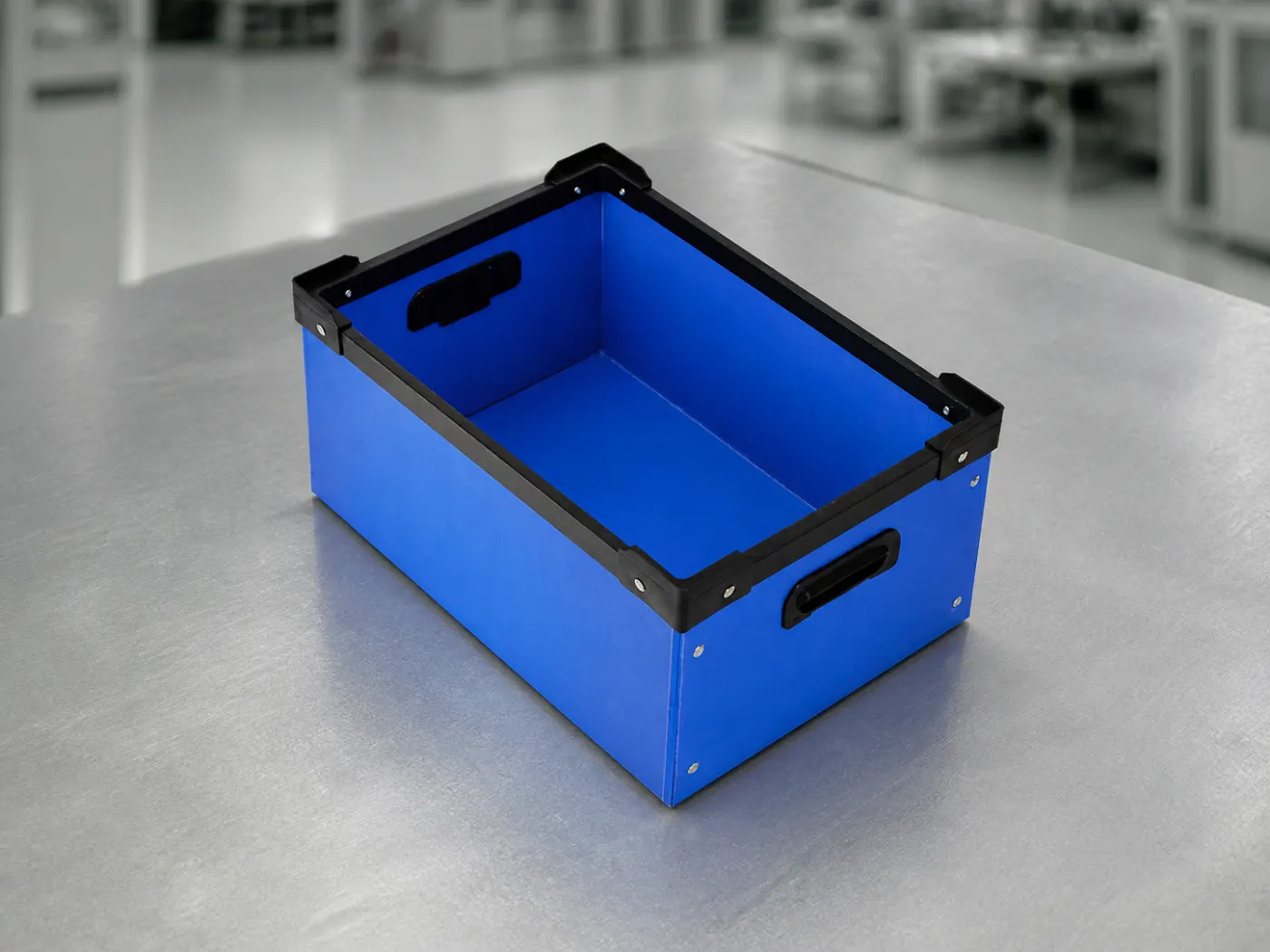
A PP corrugated box is a reusable container made from twinwall polypropylene sheet and converted with folds, joints, edge protection, handles or internal partitions. The nominal outside size does not define usable capacity; internal clearance, fittings, loading access and the complete handling route must be checked.
Box formats
Choose the structure around loading, return and handling
Compare the formats below by loading access, setup and empty return. Then check usable internal dimensions, payload and stacking conditions in the configuration inputs. Framed boxes and internal dividers can be reviewed for the selected format.
Foldable box
Reduces return or storage volume when the empty container must collapse.
Fixed box
Maintains a ready-to-load form where repeated setup is not preferred.
Open tote
Supports frequent manual access, line-side picking and visible contents.
Box with dividers
Adds defined cells when individual products need separation and location.
Framed box options
Choose the frame and lining around the part
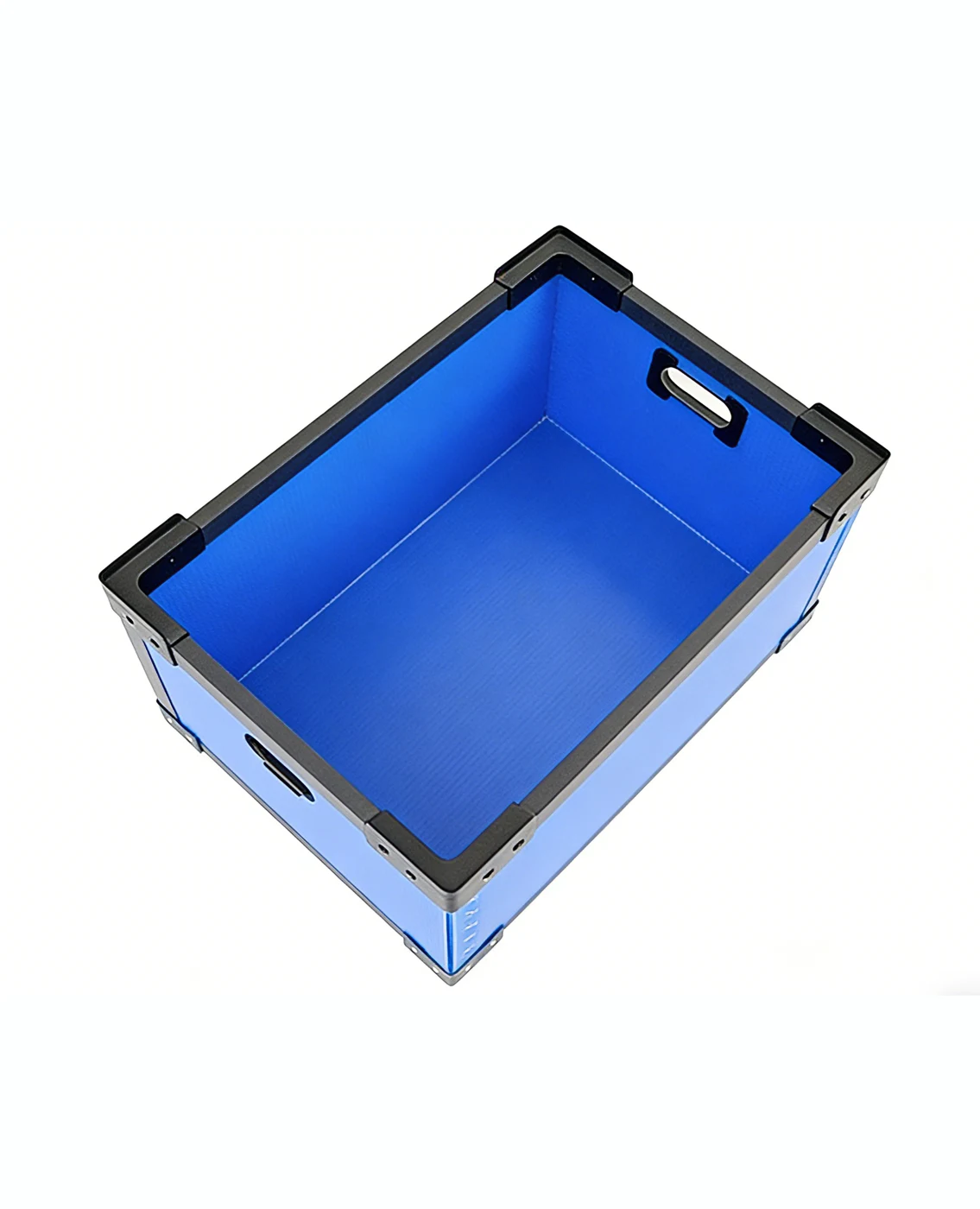
Framed PP hollow sheet box
A framed format is another construction option within the PP box range. The photograph illustrates the tote structure; it does not establish a load rating, frame material or test result.
See the PP corrugated tool box case for a cable manufacturer for a framed box used in tool handling.
Lining: PP hollow sheet, EVA or EPE
Select the lining around the contact surfaces and required clearance. Allow for its thickness in the usable internal dimensions, and review fit and loading access with the sample.
Configuration inputs
Define usable space and operating conditions before the drawing
Provide confirmed values where available; unknown items can remain validation questions.
Prepare the known inputs using the foldable box RFQ guide.
Structure review
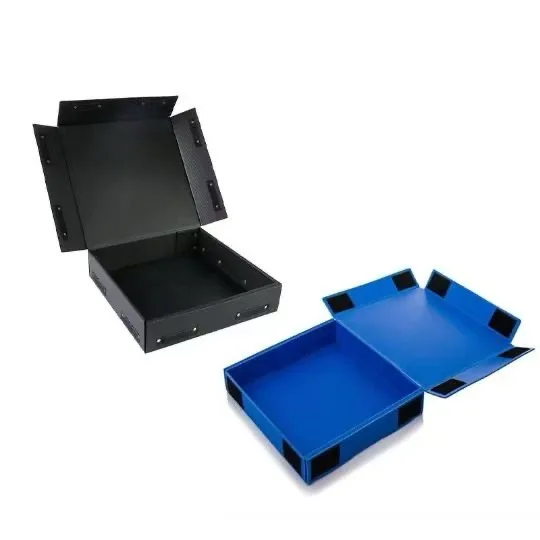
Open and unfolded views reveal how the box is built
Fold lines, joints and reinforcement consume space and influence setup, access and durability. Review the converted structure—not only a flat sheet drawing.
Open versus flat-packed
Balance operating readiness with empty-return efficiency
The best format depends on labour, setup sequence, storage density and the return route—not the folding feature alone.
Compare purchase, handling and return costs with the PP corrugated box cost-per-trip guide.
Define usable capacity with the internal versus external box size guide; allow for divider systems where parts need separation.
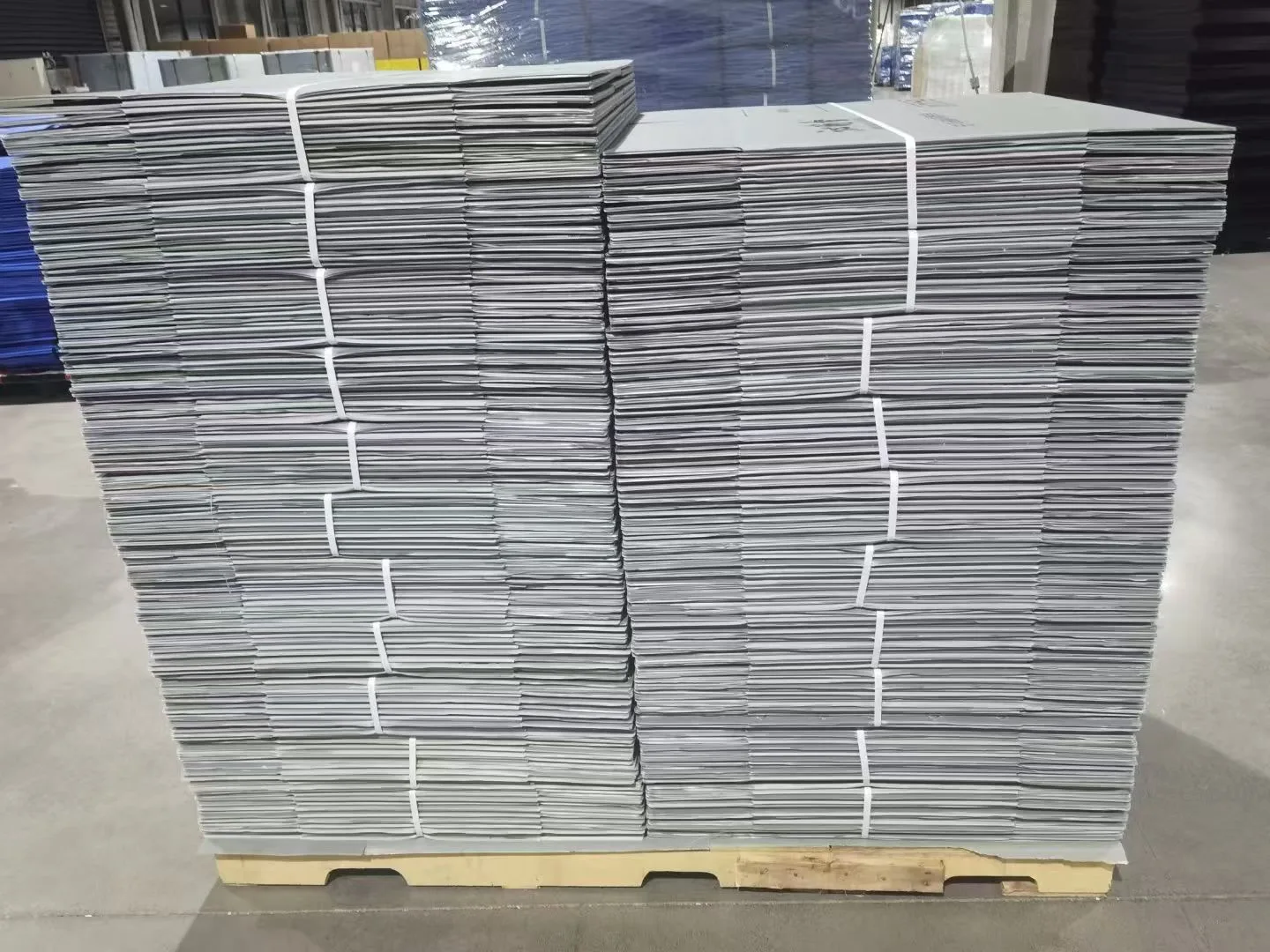
Flat-packed supply or return
Can reduce empty volume, subject to bundle method, setup time and fold-life review.

Complete handling context
Review pallet, forklift, stacking, restraint and warehouse movement as one operating system.
Dimension control
Outside size and usable internal size are not interchangeable
Wall thickness, folded corners, rims, joints, lids and partitions reduce the clear internal envelope. Quote requests should state whether every dimension is external, internal or a product-clearance target.
Review the complete box application before fixing the specification
Share the information already available. Missing inputs can be identified instead of assumed.
Related Guide
Prepare a corrugated box RFQ
Use the checklist to organize box dimensions, loading and return requirements before quotation.