
Part separation and reusable dunnage
Custom PP Divider Systems for Industrial Parts
Interlocking corrugated polypropylene partitions configured around the part envelope, loading direction, required cell opening and usable container space. Final slot, tolerance and material decisions follow the submitted application.
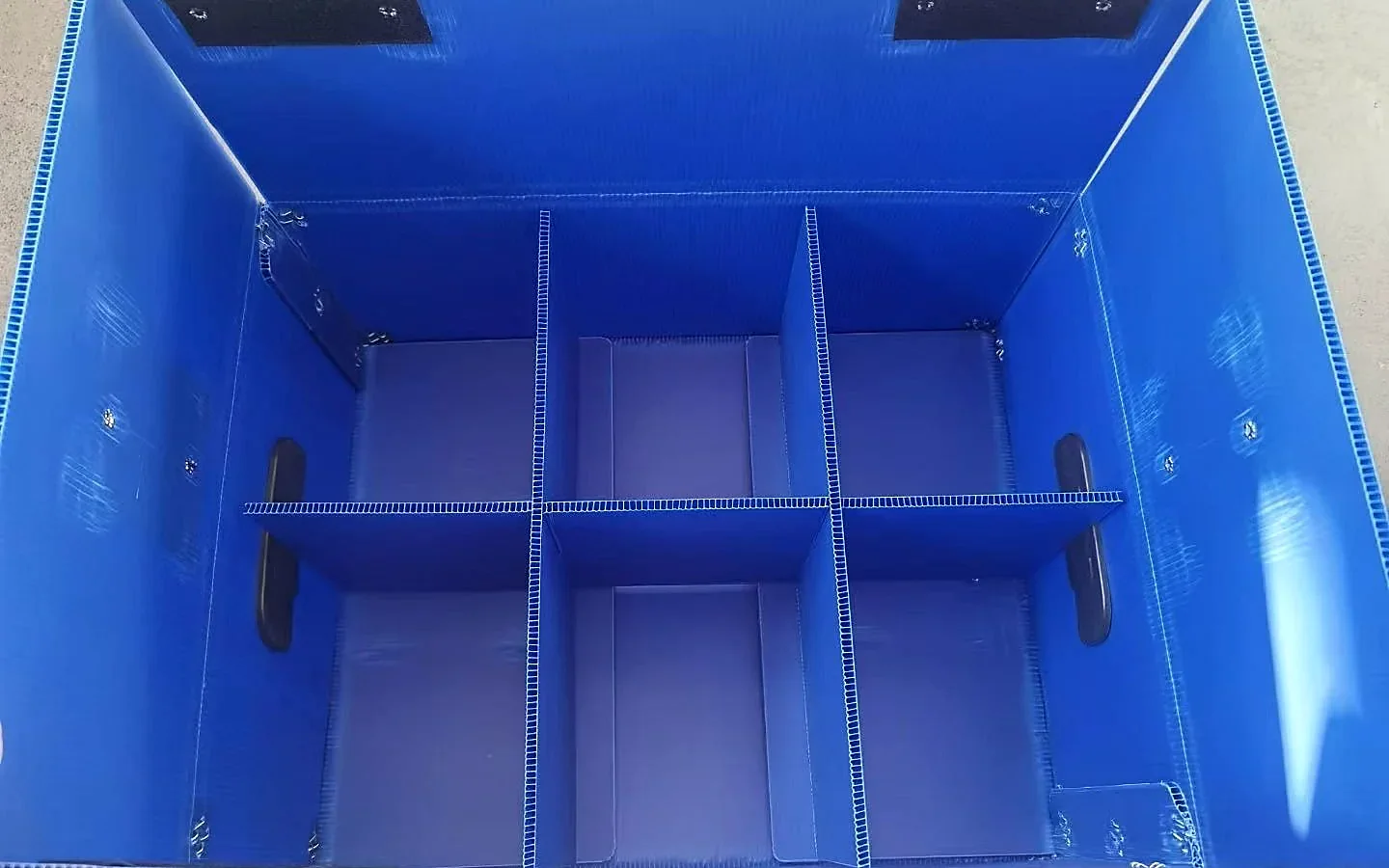
A PP divider system is an interlocking partition structure used to separate components inside a box, tote or pallet container. Suitability depends on clear cell size, part contact points, divider thickness, slot fit, loading access and the handling route.
Application fit
Use the divider when the pack needs defined part positions
The system is reviewed as part of the complete pack—not as an isolated grid.
Separate components
Define individual cells where part-to-part contact or uncontrolled movement must be reviewed.
Support repeatable loading
Match the cell opening and divider height to operator access, orientation and pack sequence.
Fit an existing container
Work from usable internal dimensions, corner details, handles and any base or lid interface.
Design inputs
The part envelope is not the clear loading opening
Clearance, divider thickness and accumulated slot relationships affect the usable cell. Send the operating inputs before a cell count or final layout is approved.
Use the cell size versus part size guide to define clearance and the divider quotation checklist to prepare inputs.
Structure and conversion
Make the physical product and its construction visible
The layout diagram explains the cell relationship while the product photograph shows the converted slotted panels before final pack integration.
When dividers form part of a container, review PP corrugated boxes and the available internal space together.
Cell layout logic
Cell count and orientation are developed against the usable container space and loading method.
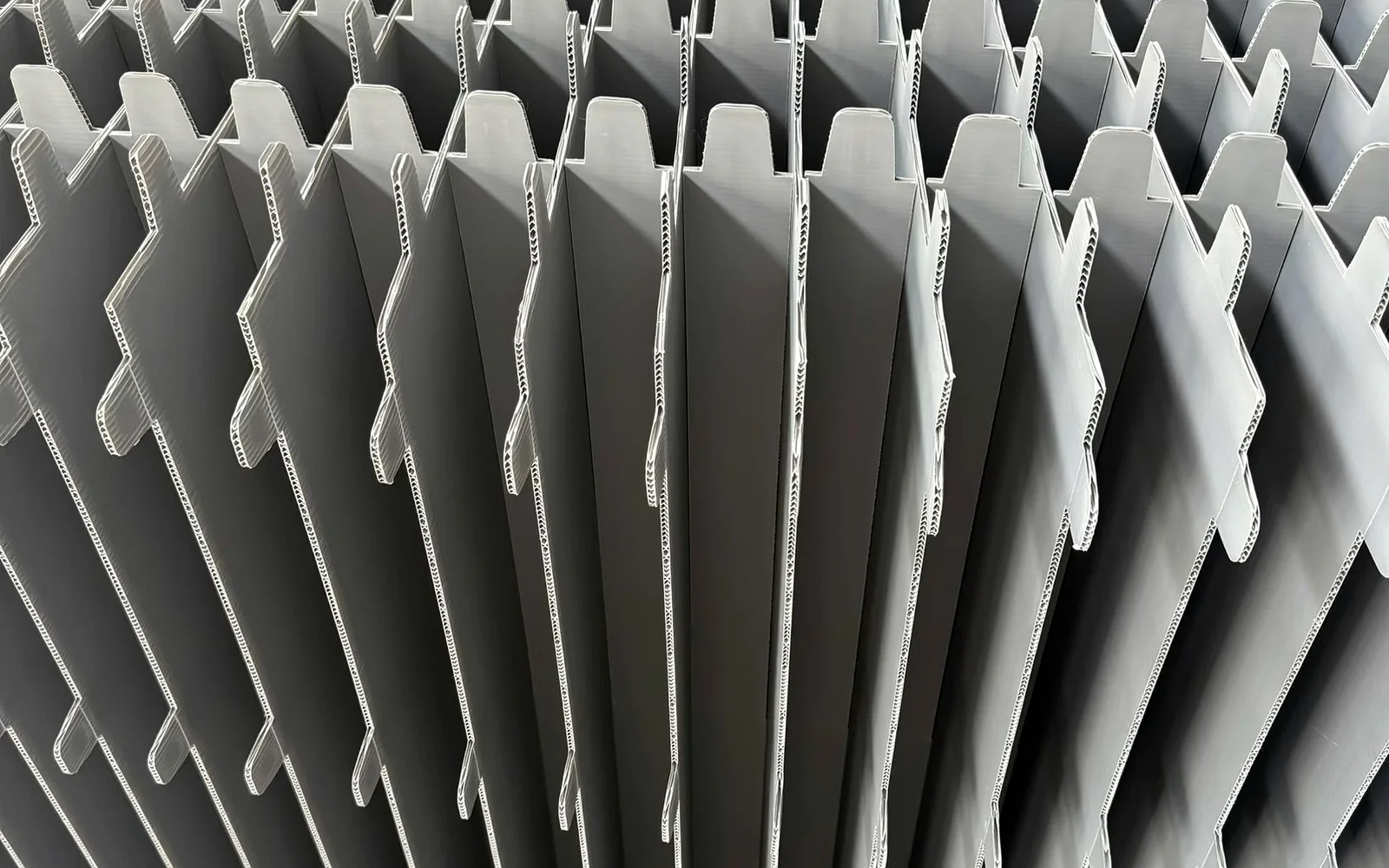
Converted divider panels
Slot location, flute direction, panel height and edge geometry form part of the project review.
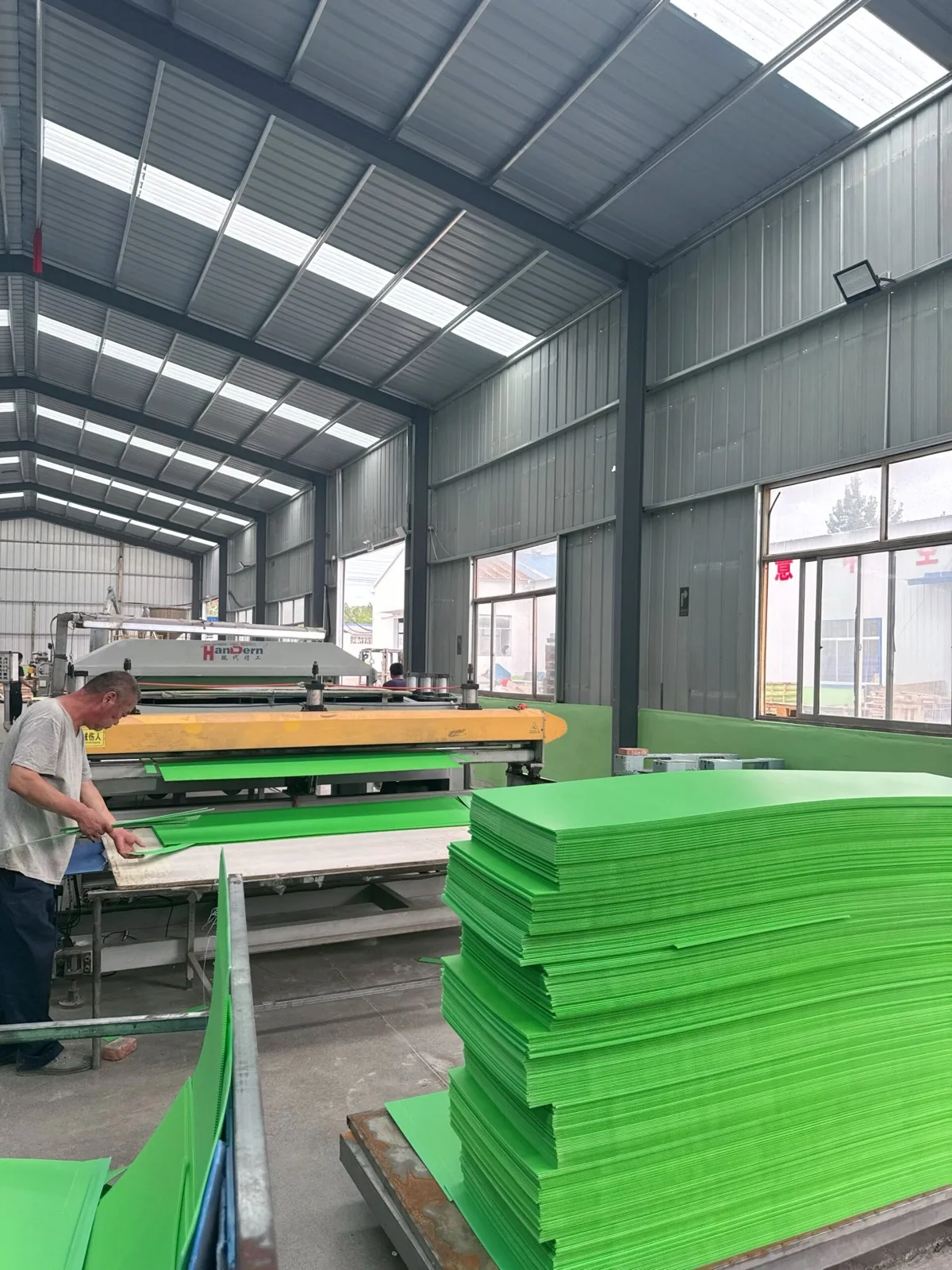
From sheet to approved pack
A controlled path from inputs to production release
Conversion capability matters, but the release decision must remain tied to the submitted application and agreed checks.
Validation boundary
A prototype confirms only the tested configuration
Sample fit does not by itself prove full transport, stacking or repeated-cycle performance. Production approval should reference the part tolerance, divider construction, assembly method, container and agreed handling conditions.
Related Guide
Define divider cell size
Use the guide to prepare part, clearance and cell inputs before requesting a project quote.