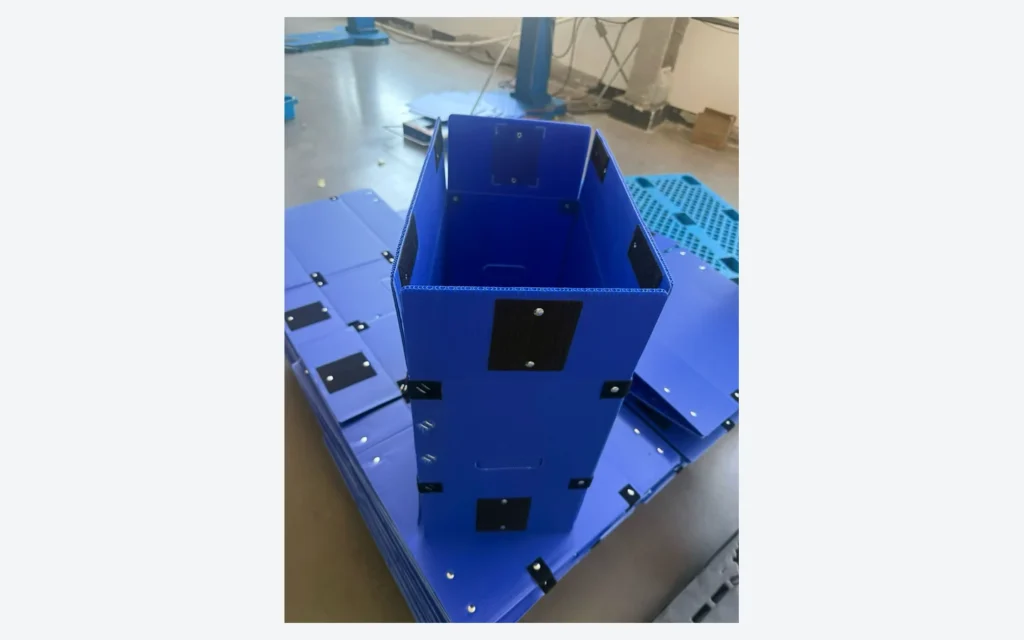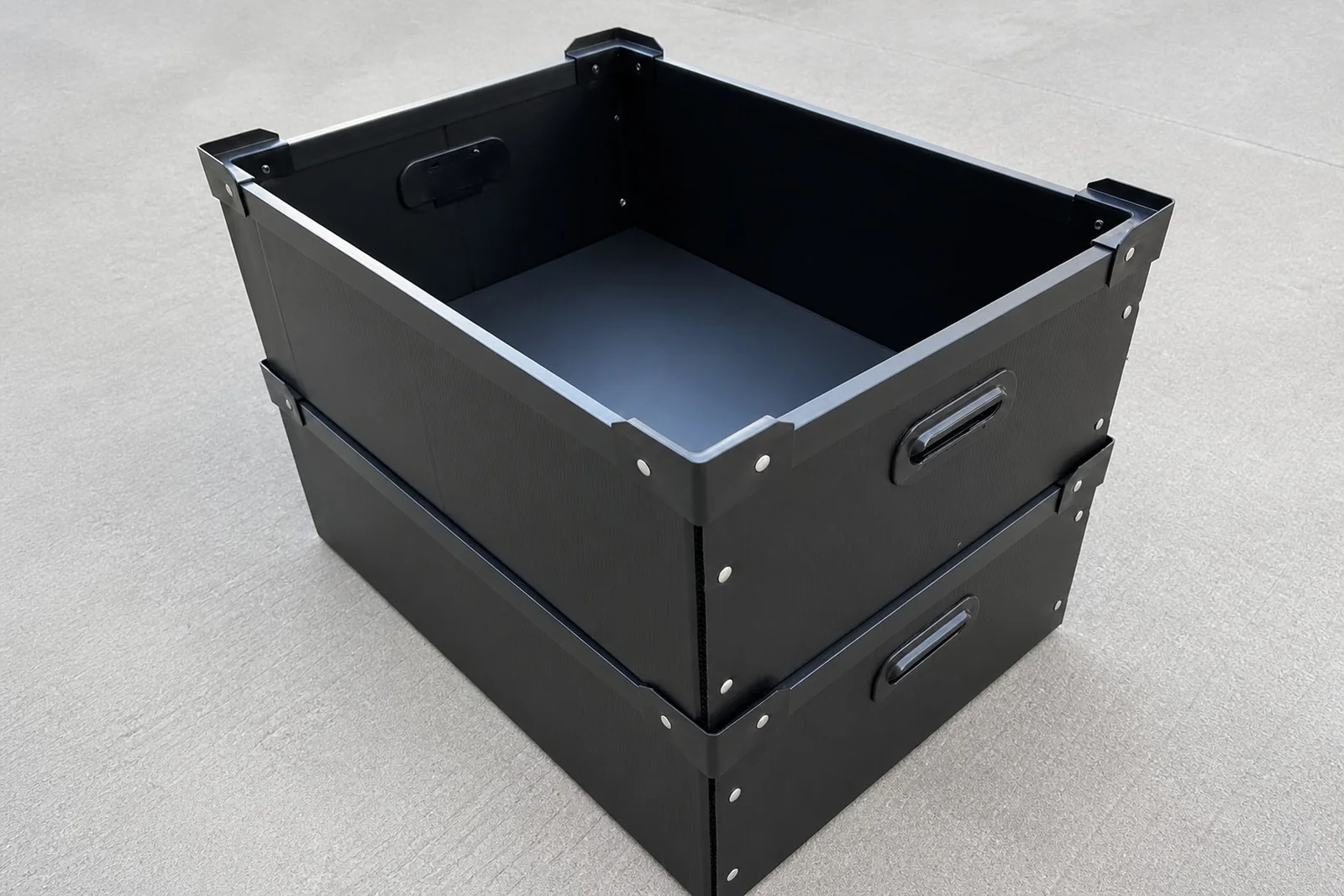
A returnable container should be specified from its handling route, not from a box drawing alone. The same nominal box can behave differently when it is hand-carried, moved on a conveyor, stacked on a pallet, stored in racking or returned empty.
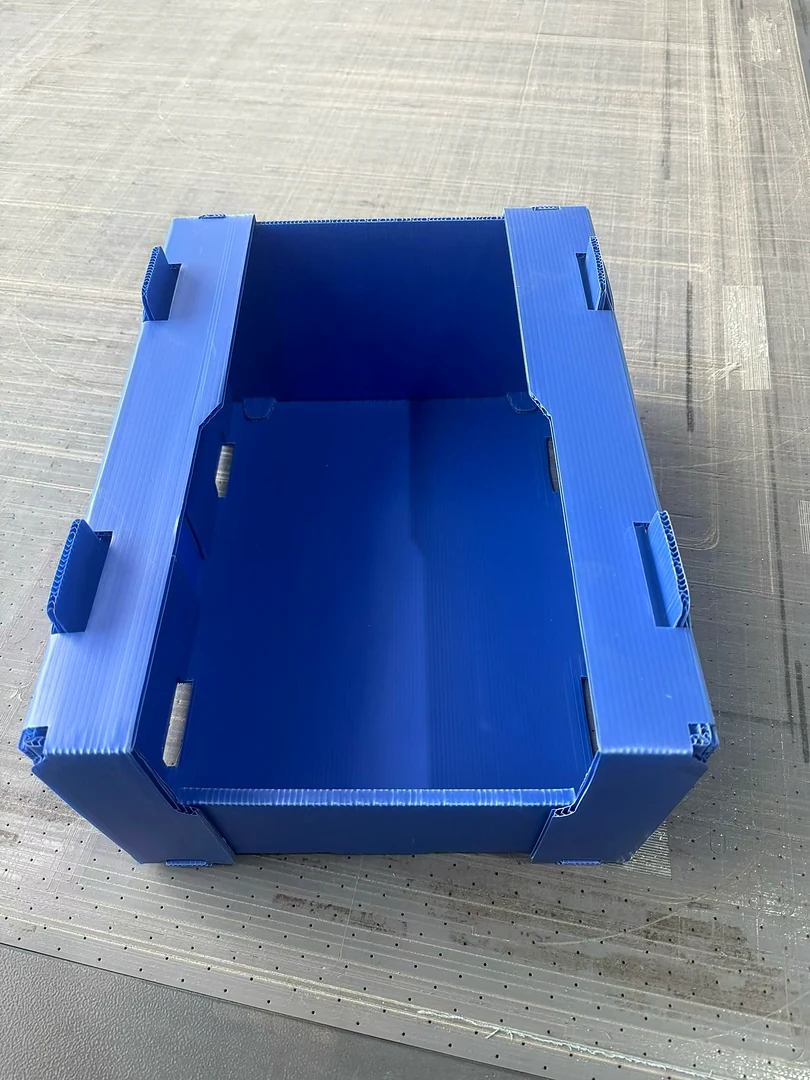
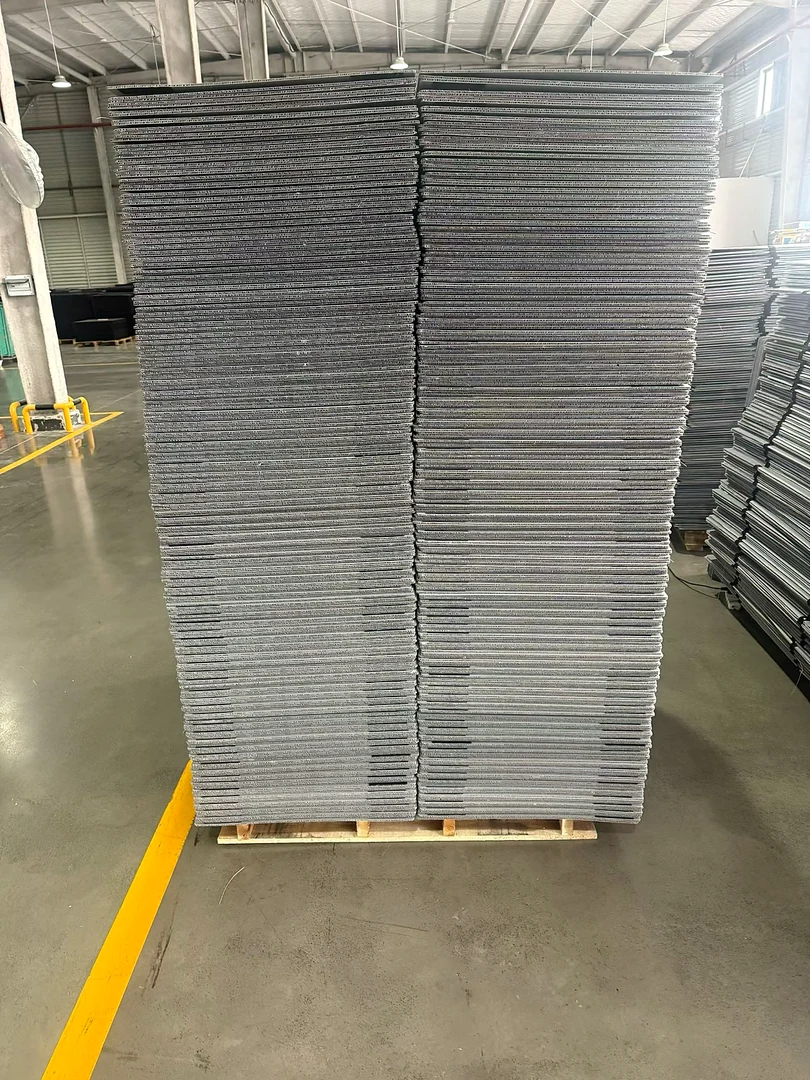
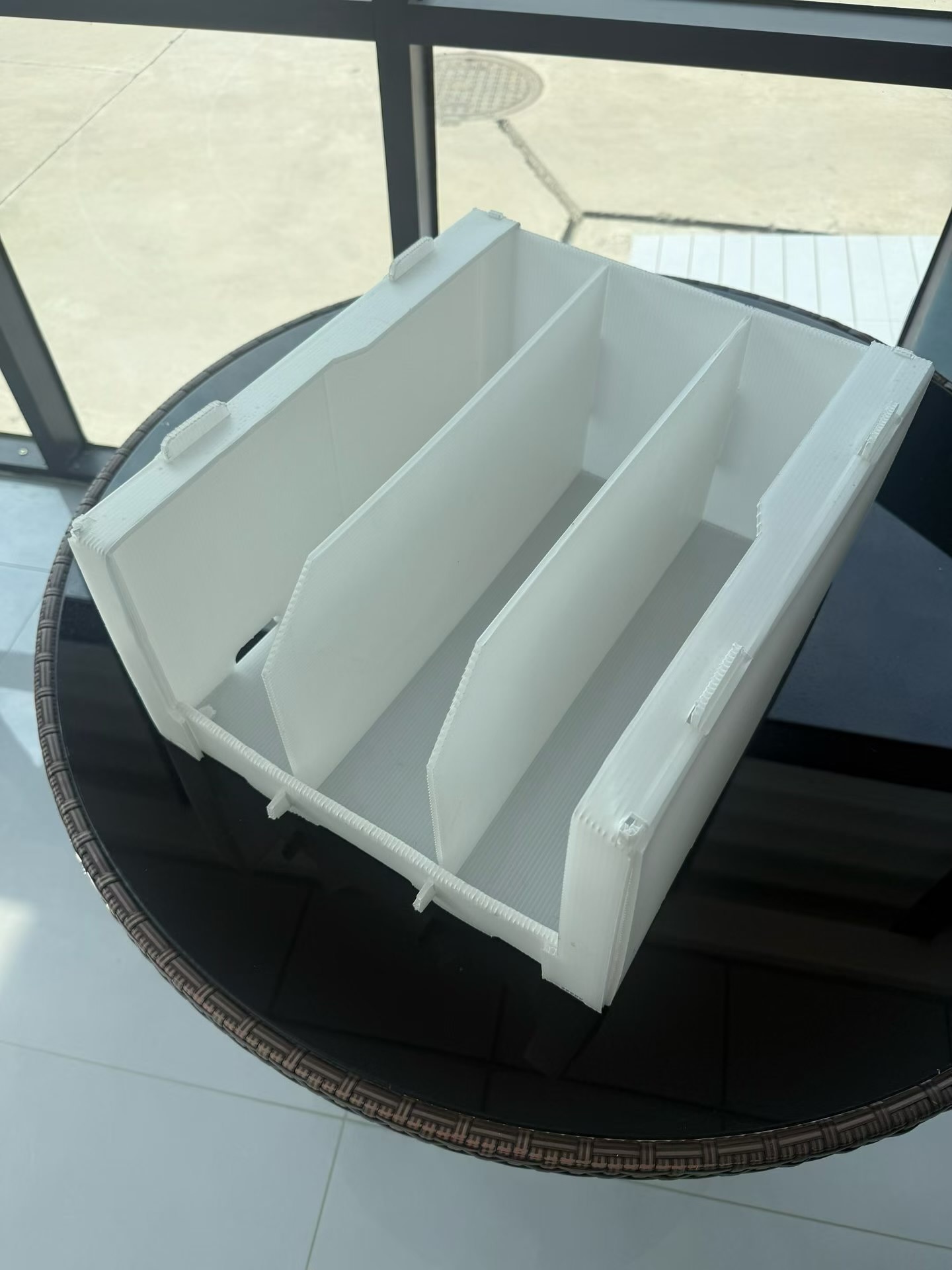
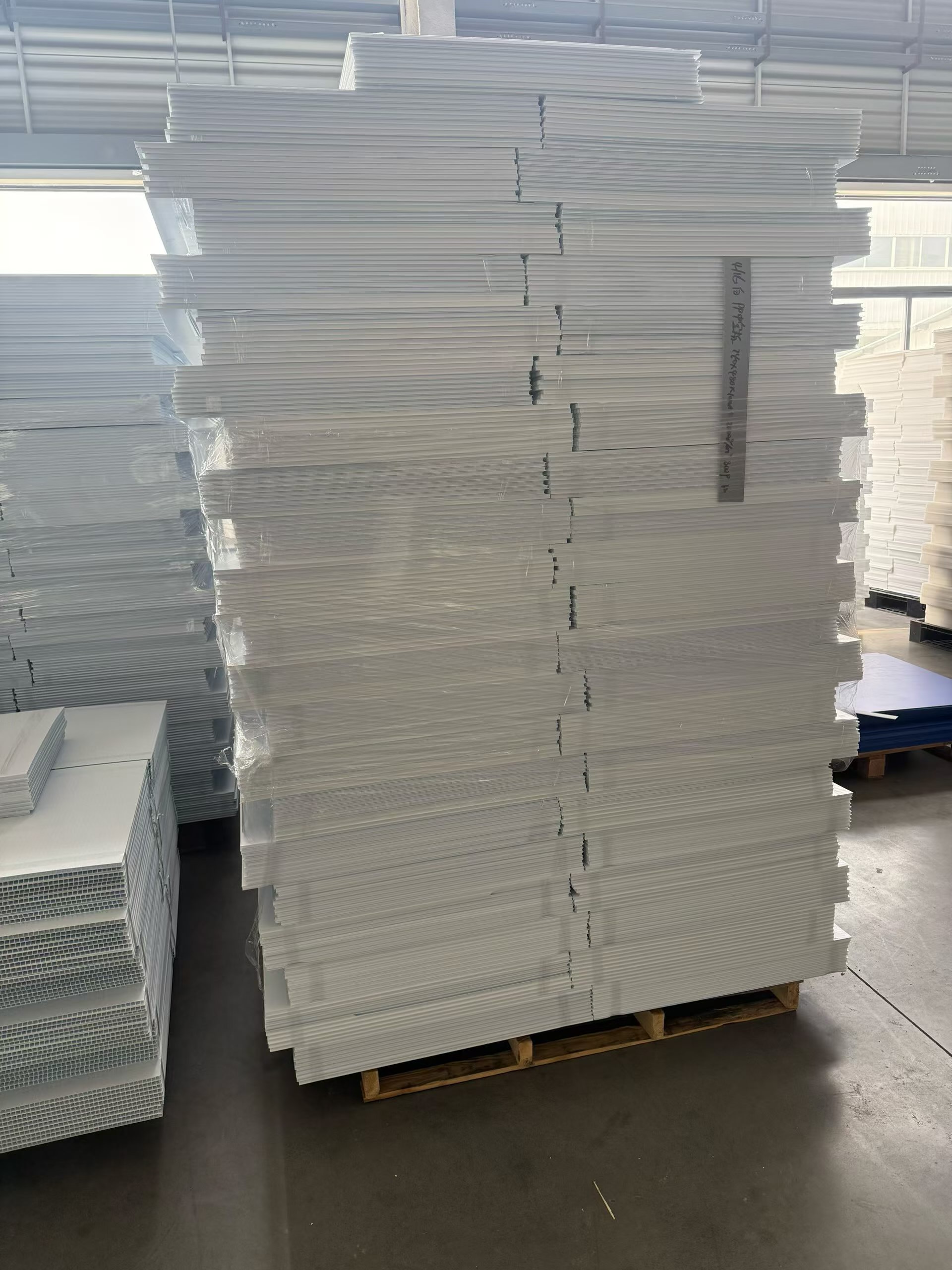
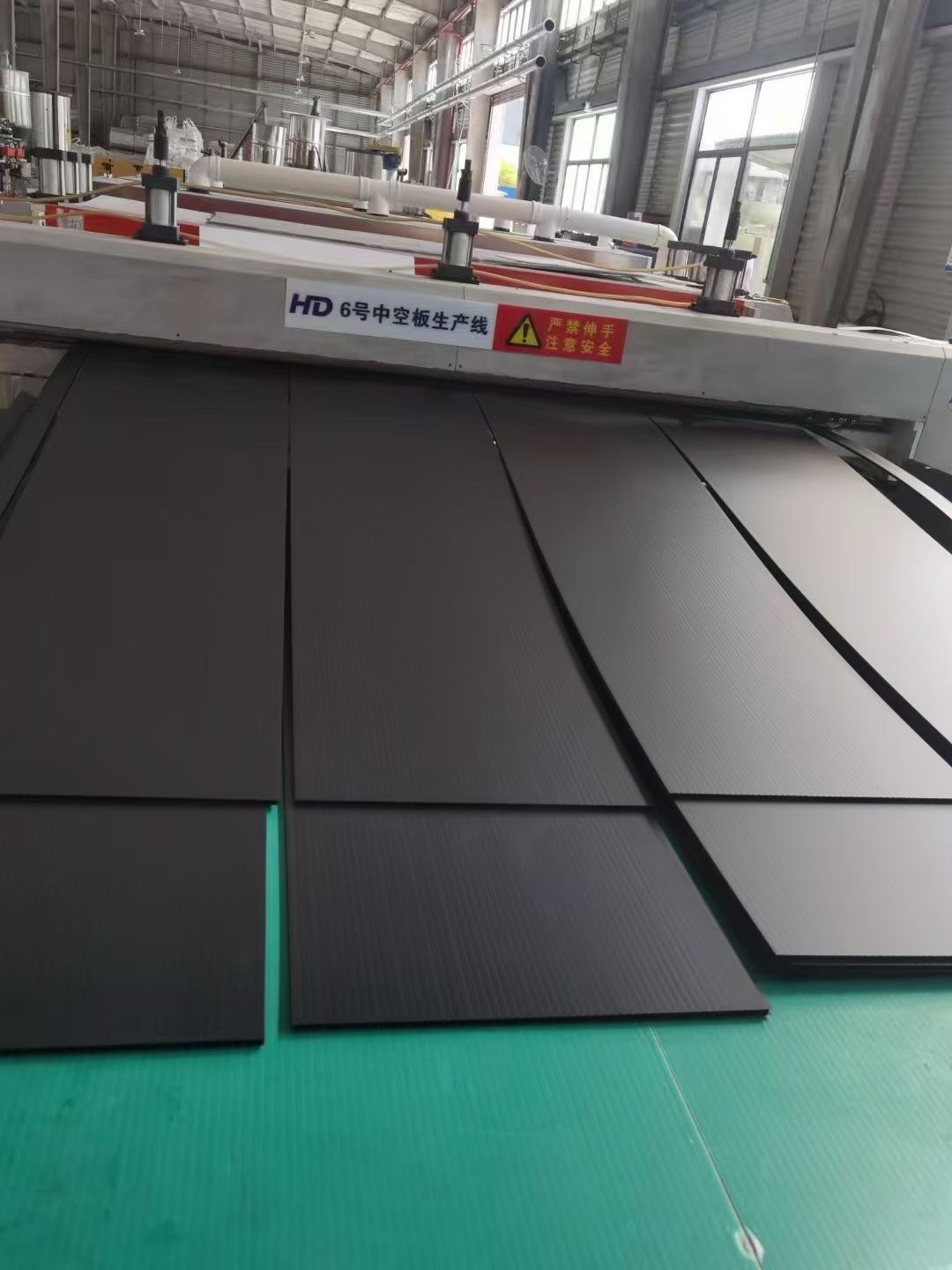
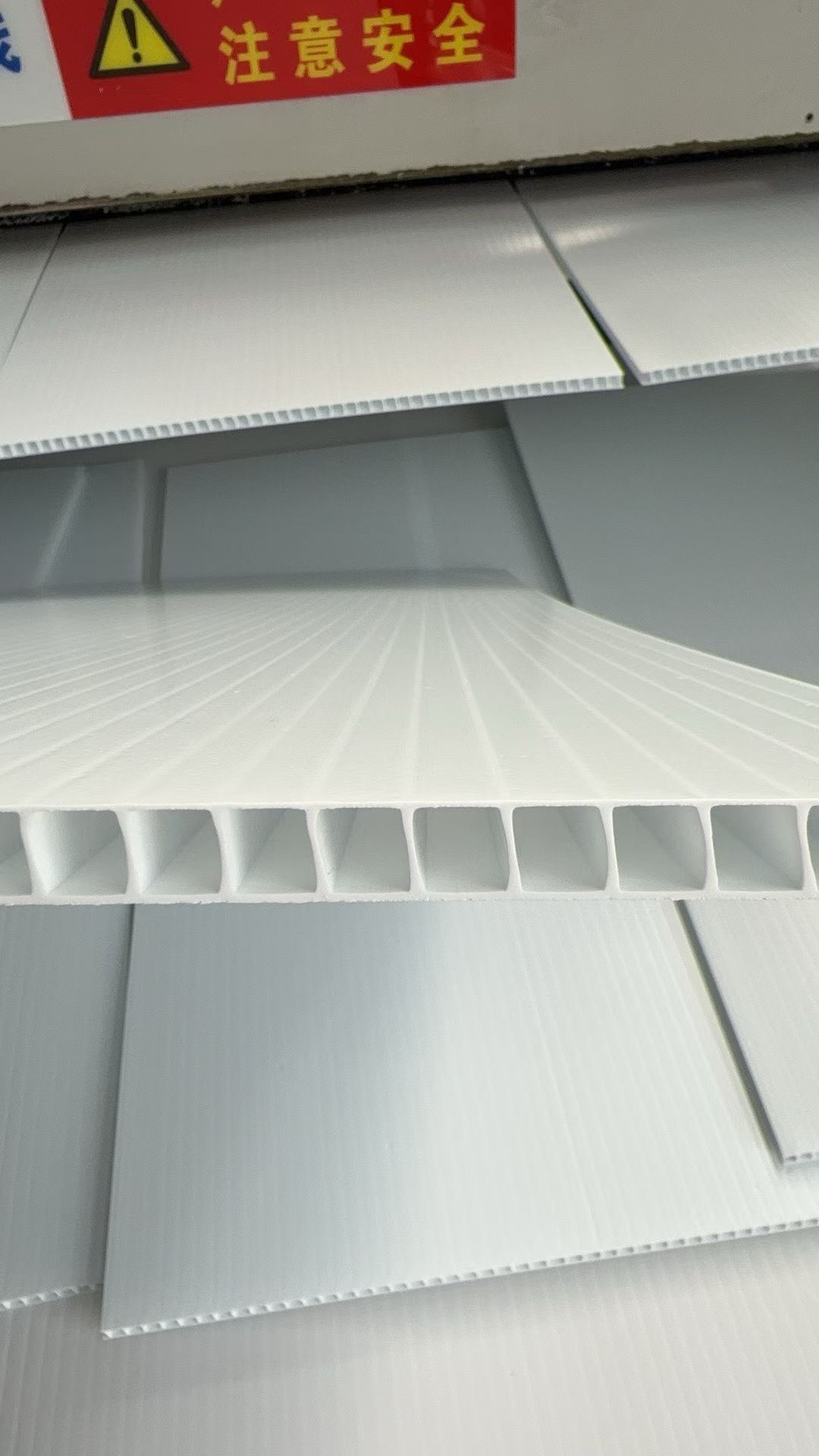
Youqian Global supplies PP corrugated boxes, bins and container systems made from PP hollow sheet. Depending on the handling route, a configuration can incorporate plastic divider inserts or layer pads; structure selection starts with the load and equipment interfaces throughout that route.
Map the Box Through Its Handling Route
Document how the container is filled, lifted, moved, stored, shipped, unloaded, cleaned and returned. This exposes requirements that a length-by-width-by-height request misses, such as grip access, base support, closure control or compact empty storage.
- Payload: part count, total mass, center-of-gravity concerns and whether an internal fixture or divider carries the parts.
- Manual handling: lift direction, handhold position and any restriction on operator reach.
- Equipment interfaces: conveyor contact, pallet pattern, rack support and forklift handling where applicable.
- Stacking condition: loaded or empty stacking, alignment method and where the upper load is transferred.
- Return condition: assembled, folded or nested return, available storage space and cleaning method.
- Identification: label area, document pocket, print or color-coding requirement.

Confirm Usable Inside Dimensions Before Outside Dimensions
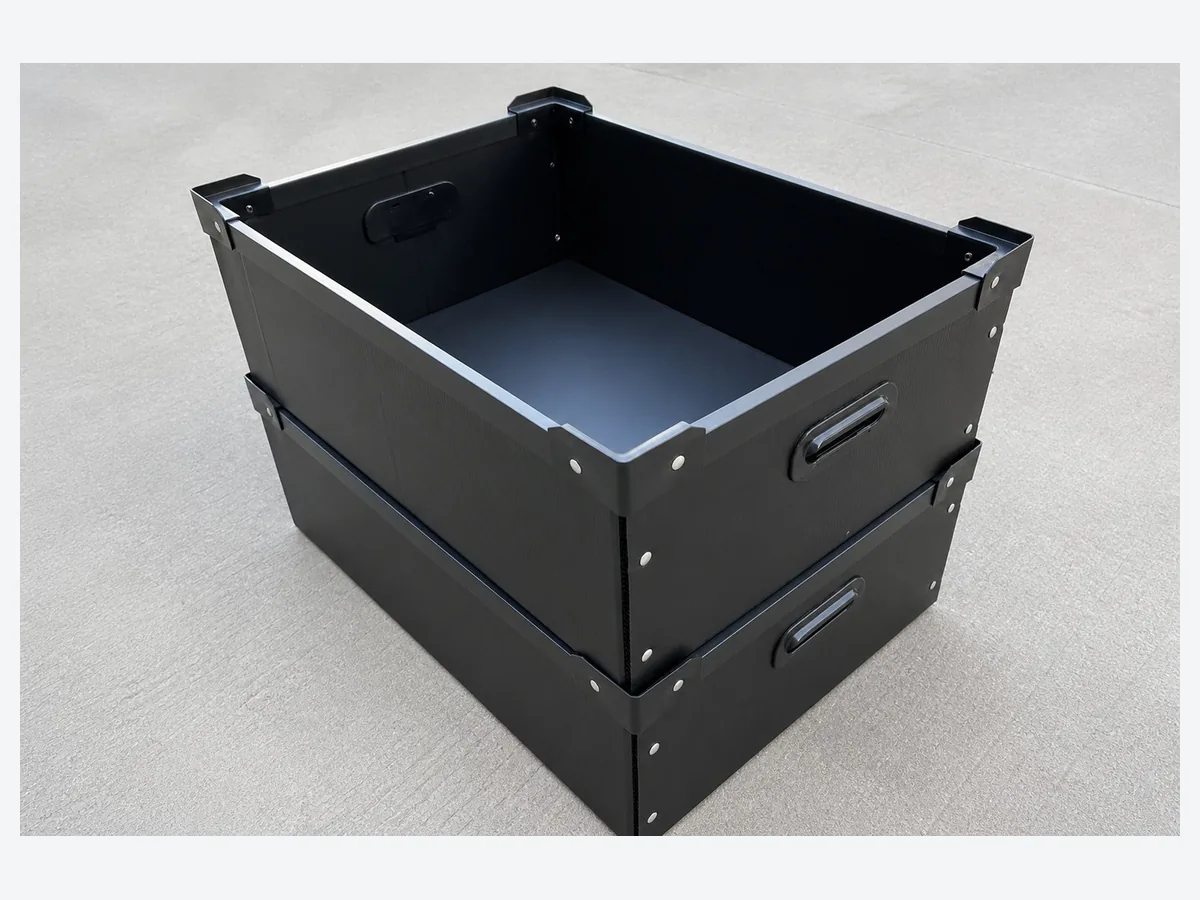
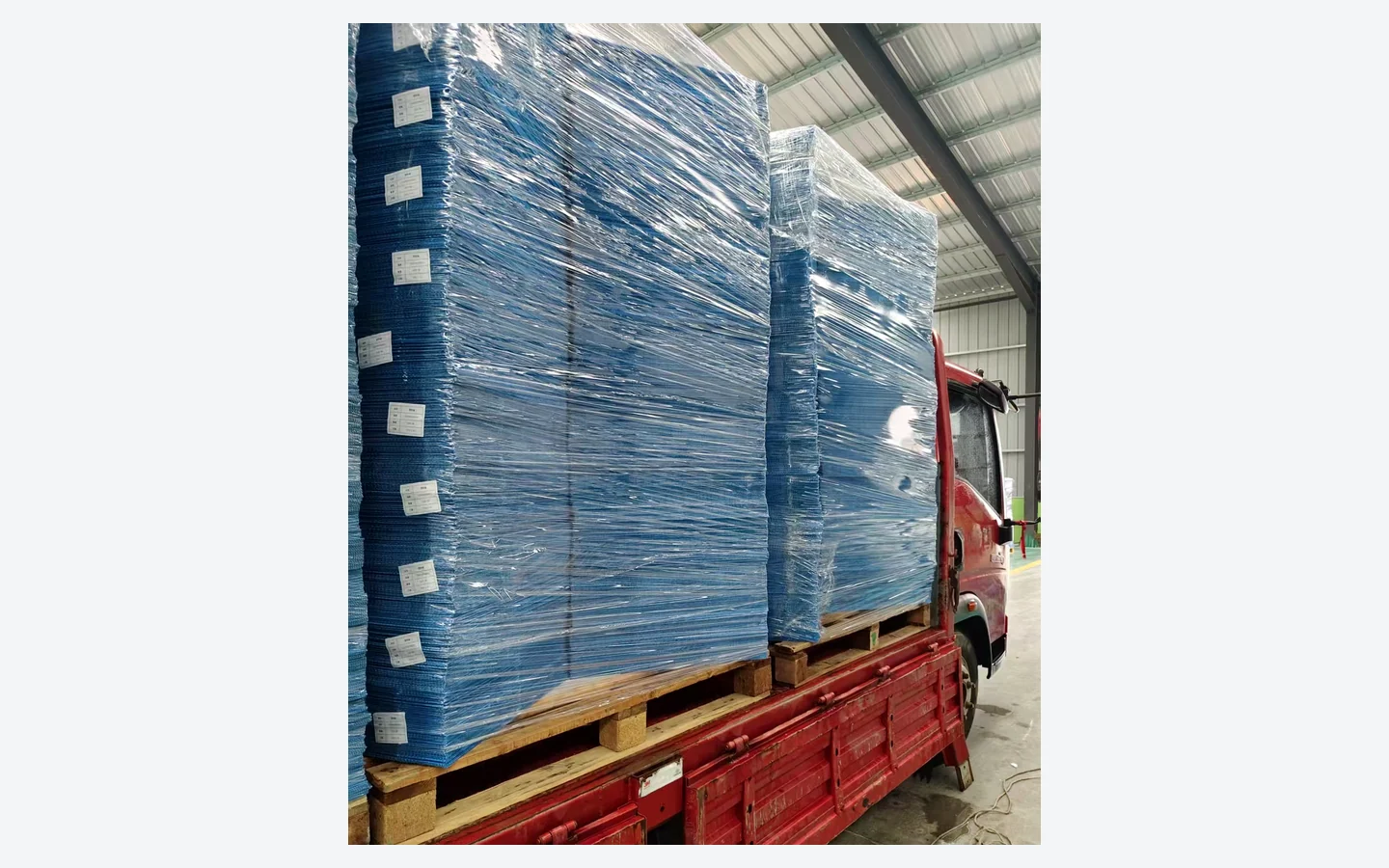
Outside dimensions matter for pallets, racks and vehicle space; usable inside dimensions control whether the payload and any insert actually fit. Folded walls, edge profiles, corner joints, lids, handles and internal fittings can all reduce the clear opening. State which dimension is controlling and measure it on the intended finished structure.
Define the Load and Support Path
Identify where the payload enters the base and where the container is supported during carrying, conveying, palletizing and stacking. A base panel fully supported on a conveyor sees a different condition from a box spanning rack beams. When loaded boxes are stacked, confirm whether the upper load travels through edges, corners or the product itself. Material selection and reinforcement should follow these load paths and be validated in the intended arrangement.
Select Access, Closure and Equipment Interfaces
Open fronts may help line-side picking, while lids or secured flaps may be needed where contents must remain covered. Handholds should be located for the actual lift direction and load balance. Add forklift entries, runners or other equipment features only when the handling method requires them; each added feature changes the base, wall or stacking structure.
Review the Return Loop and Empty-Pack Storage
Returnable packaging also travels without product. Compare the space and labor implications of returning boxes assembled, folded or nested. Include the cleaning process, drainage or drying needs, replaceable fittings and the way damaged units are identified. These operating details can determine whether a theoretically reusable structure is practical in the real loop.
Prepare a Container-Specific RFQ
Provide the payload, usable inside dimensions, maximum outside envelope, handling equipment, support and stacking conditions, access or closure requirements, return method and expected quantity. A sample or pilot should then be assessed against agreed loading and handling criteria before a production order.