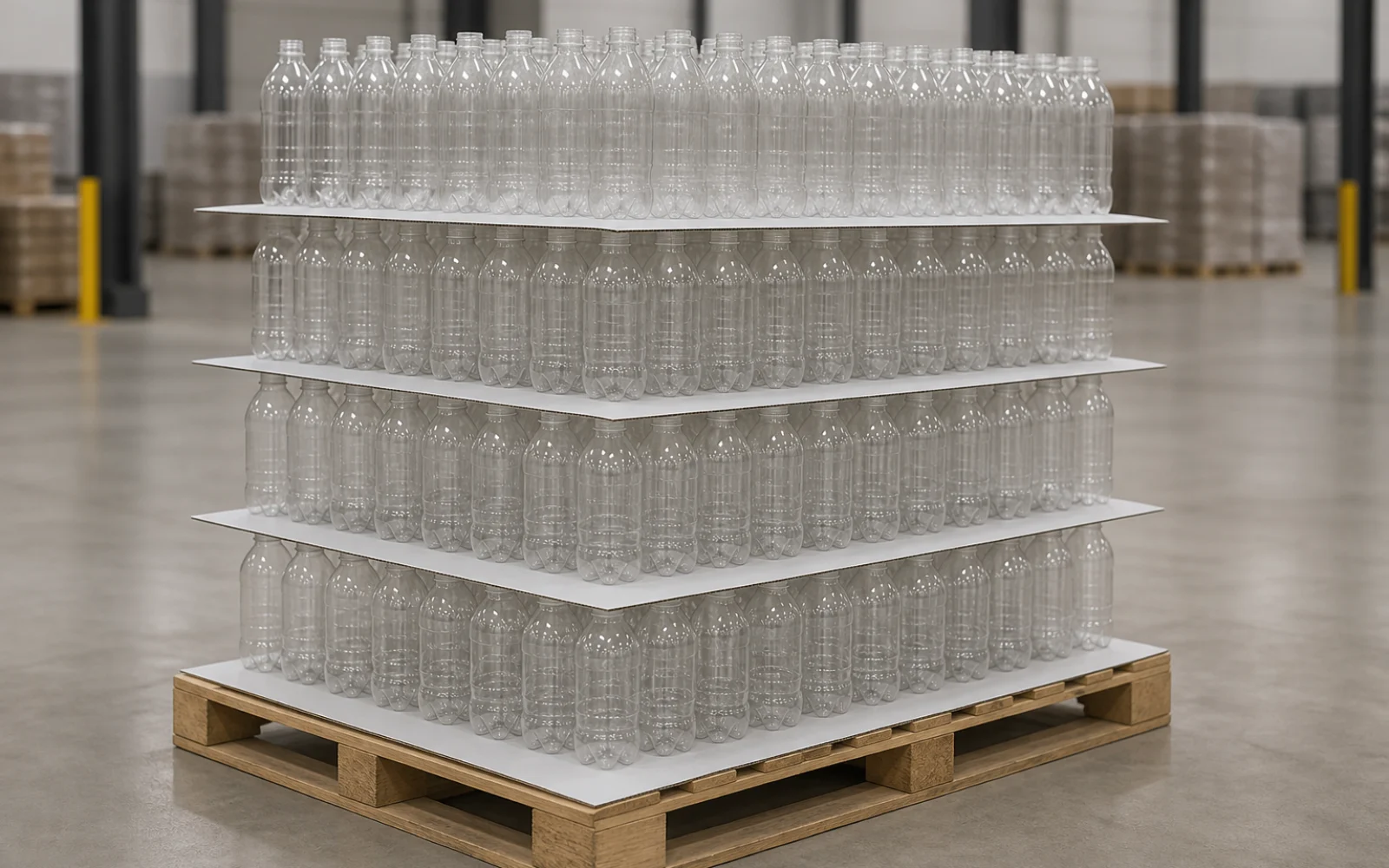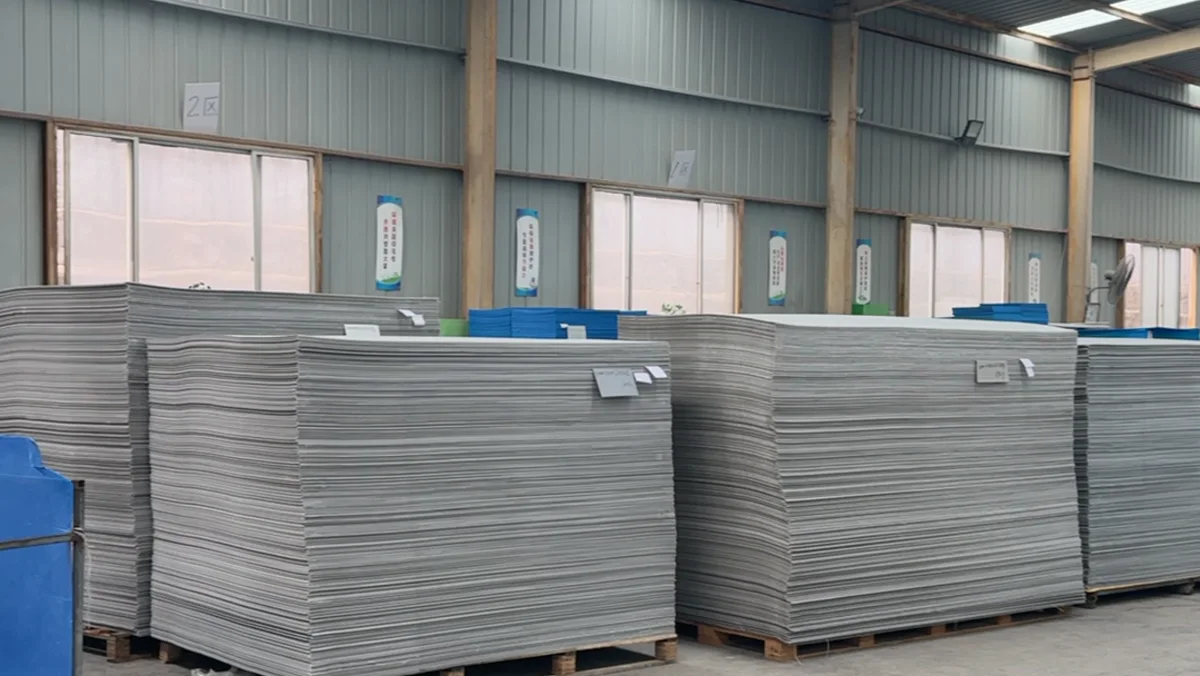
A PP layer pad is a flat polypropylene separator sheet placed between product layers on a pallet. It can help organize and separate bottles, cans, containers or industrial items during palletized handling. For sourcing, however, the words “PP layer pad” are not a complete specification.
Quick answer: A useful PP layer pad RFQ should define overall length and width, thickness or the conditions needed to select it, flute direction, corner and cutout details, product layout, load per layer, number of pallet layers, handling method, environment, quantity and destination. Thickness alone cannot confirm suitability.
This guide explains how importers, distributors, packaging buyers and manufacturing teams can prepare those details before contacting a supplier.
What Is a PP Layer Pad?
A PP layer pad—also called a polypropylene layer pad, plastic pallet layer pad or pallet separator sheet—is commonly converted from PP hollow sheet. The board has two outer skins connected by internal ribs or flutes. It can be cut into flat sheets for placement between rows of packed products.
The finished pad may look simple, but its performance depends on the full system: sheet construction, dimensions, flute direction, product contact pattern, pallet layout, load distribution and handling conditions. Review the PP layer pad product page for a product overview, then use the checklist below to create a project-specific inquiry.
1. Define the Layer Pad Size from the Pallet and Product Layout
Do not specify sheet size from the pallet dimensions alone. Start with both the usable pallet footprint and the arrangement of products on each layer.
Provide:
- finished length × width, with units;
- pallet length × width;
- product or package dimensions;
- units per row and rows per layer;
- any allowed overhang or required edge clearance;
- corner shape, such as square or rounded;
- required holes, slots, notches or other cutouts;
- dimensional tolerance if your line or equipment requires one.
A drawing is preferable when the pad must align with bottles, cans, trays, robotic handling or guides. If no drawing exists, send a top-view photo of the current pallet pattern with measured dimensions.
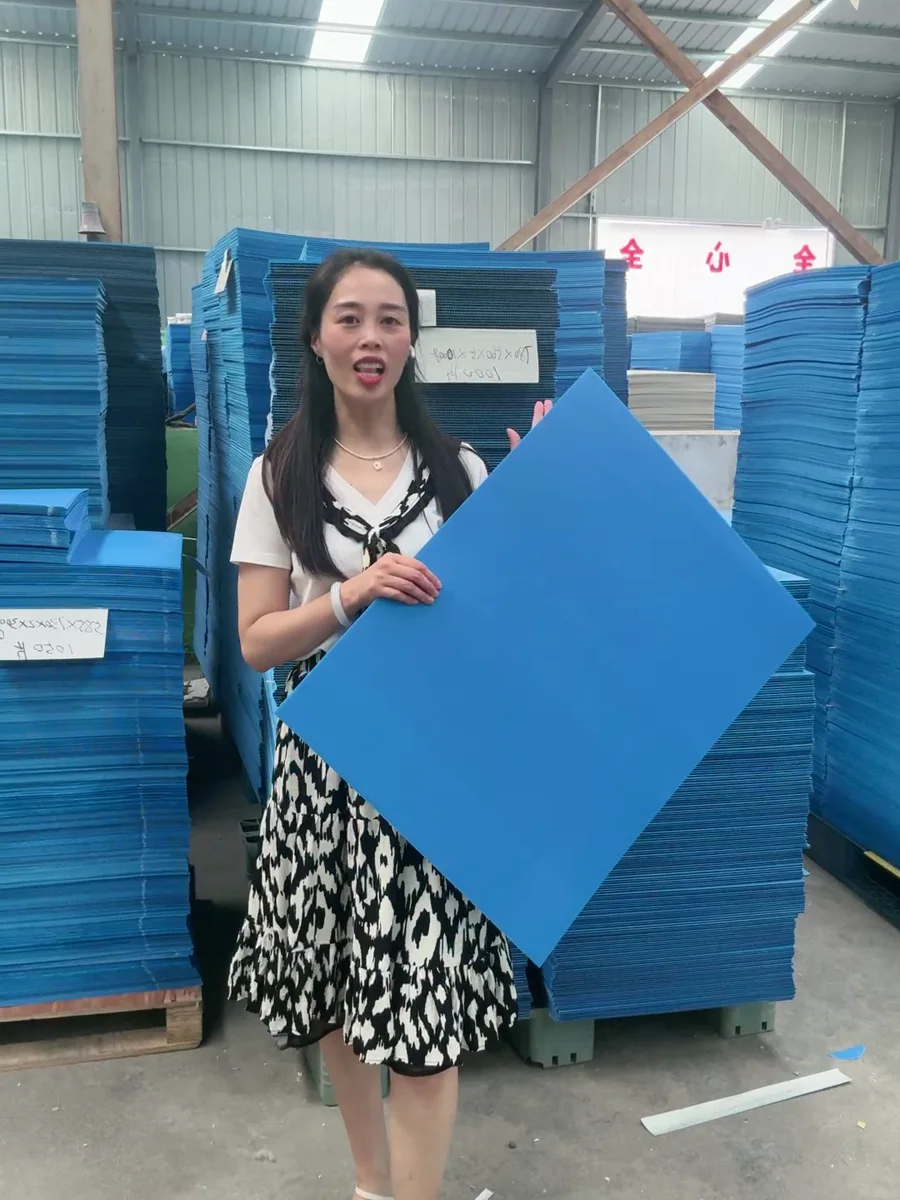
*A real converted PP sheet. Color and finished geometry should be defined in the inquiry and confirmed for the specific project.*
2. Treat Thickness as One Input—not a Performance Guarantee
Buyers often begin with “What thickness do I need?” A responsible answer requires more information. Two pads with the same nominal thickness can behave differently because of board construction, flute direction, raw material formulation, finished dimensions and load distribution.
Thickness selection should be reviewed together with:
- weight of each bottle, can, container or part;
- number of units per layer;
- total load supported above each pad;
- whether the contact is evenly distributed or concentrated at rims, feet or edges;
- number of layers on the pallet;
- unsupported spans between contact points;
- movement during forklift, conveyor or truck handling;
- expected stacking time and storage conditions.
If an existing layer pad already performs well, provide its measured thickness, overall size and a sample or clear edge photo. If you are developing a new format, send the operating conditions and ask the supplier to review the structure rather than choosing thickness by guesswork.
3. State Flute Direction and Contact Orientation
PP hollow sheet is directional because its internal flutes run in one direction. Orientation can influence bending and how the pad behaves across unsupported areas. Mark the required flute direction on the drawing, especially when the sheet is rectangular, runs through automated equipment or supports an uneven contact pattern.
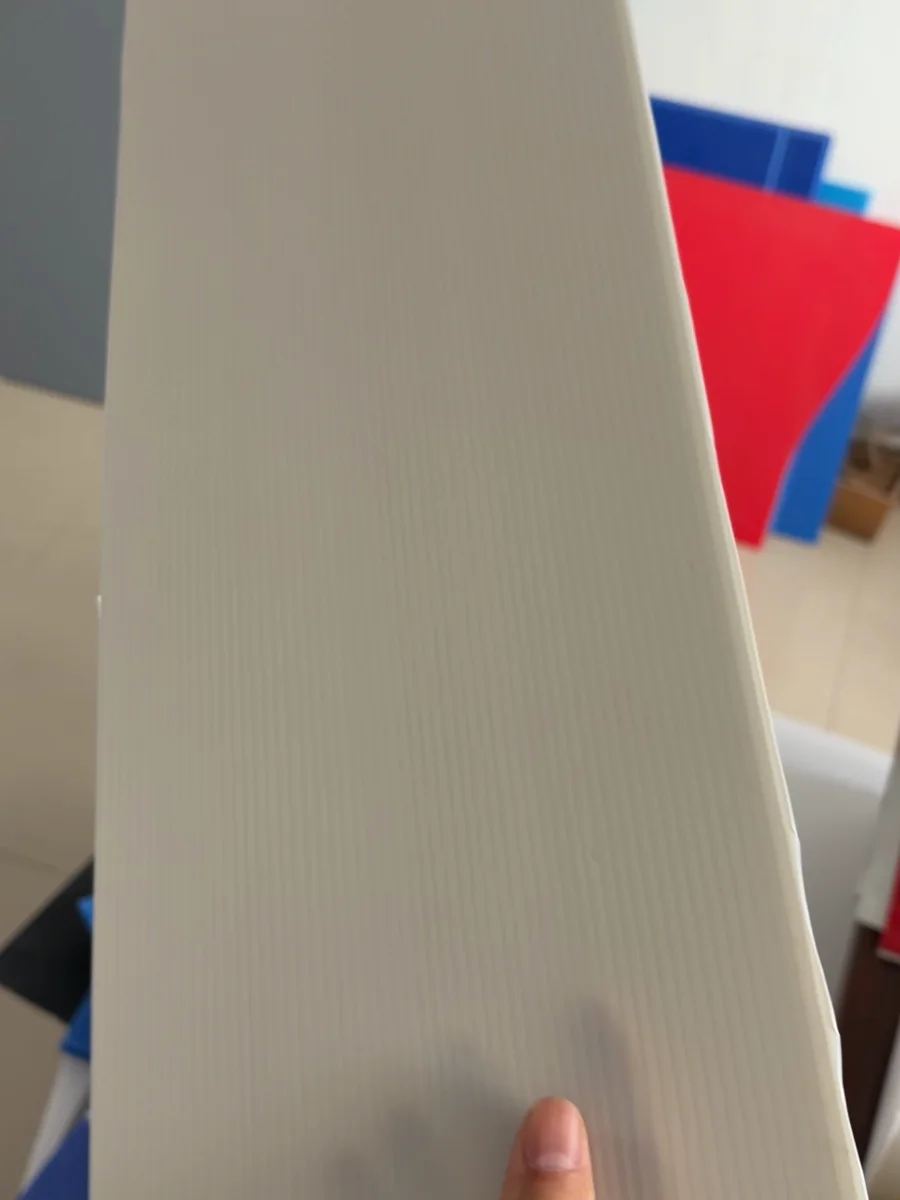
*Parallel lines indicate the internal flute direction. The final orientation should be reviewed against the pallet and load layout.*
Also describe what touches the pad on both sides. Flat cartons, bottle bases, can rims, tray feet and irregular industrial parts create different contact conditions. Mention sharp edges, small contact points or surface-protection requirements. If friction or grip is important, state the required handling outcome and ask the supplier to confirm an appropriate project option; do not assume a standard surface will meet an untested slip requirement.
4. Document the Complete Pallet Load
A supplier needs more than total pallet weight. A practical load description separates the individual product, each layer and the complete pallet.
| RFQ field | Information to provide |
|---|---|
| Packed product | Product type, package material and dimensions |
| Unit weight | Weight of one filled bottle, can, container, carton or part |
| Layer pattern | Units per row, rows per layer and total units per layer |
| Load per layer | Combined weight resting on or transferred through one layer |
| Pallet stack | Number of product layers and complete pallet load |
| Contact pattern | Flat, rim, point, foot or irregular contact areas |
| Handling | Manual, forklift, conveyor, automated line or mixed handling |
| Storage and transit | Stacking time, movement, vibration exposure and indoor/outdoor conditions |
Photos of the current loaded pallet can prevent misunderstandings. When possible, include a layout drawing and identify which face of the pad points upward.
5. Explain Moisture, Cleaning and Temperature Conditions
The polypropylene sheet surface does not absorb water like paper, but this does not automatically validate a layer pad for every wet, hygiene-sensitive or temperature-controlled process.
Tell the supplier whether the pad may encounter:
- condensation or incidental splashes;
- wipe-down or a defined wash procedure;
- dust, oil or other contamination;
- cold storage, heat or temperature cycling;
- outdoor exposure;
- direct or indirect food-contact requirements.
If food contact, hygiene or a specific regulatory requirement applies, name the destination market and the exact documentation needed. Do not treat general material descriptions as certification for your application.
6. Specify Conversion, Identification and Packaging Needs
Layer pads can require more than a rectangular cut. Put each finished feature on the drawing or RFQ:
- rounded corners or corner radius;
- holes, notches, slots or hand-access areas;
- edge-finish requirement;
- color or color coding by SKU;
- printing, labels or identification marks;
- flute-direction mark;
- bundle count, palletization or other shipment-packing requirement.
Color, printing and converted features should be confirmed during project review. If appearance must match an existing system, send a physical reference or an agreed color standard instead of relying only on a screen image.
You can also explore related packaging solutions and broader application examples when the pad is part of a box, divider or returnable packaging system.
7. Include Commercial Details Needed for a Usable Quotation
Technical details define the product; commercial details make the inquiry quotable. Include:
- estimated quantity for each size, thickness, color or version;
- whether the quantity is for sampling, trial or regular purchasing;
- destination country and port or city;
- required shipment packing;
- requested sample or drawing-review step;
- target project timing, clearly identified as a request rather than an agreed lead time.
MOQ, price and delivery time are project-specific and should be confirmed only after the specifications, quantity, packaging and destination are reviewed.
PP Layer Pad RFQ Checklist
Use this minimum checklist when contacting a supplier:
1. Application and packed product 2. Finished sheet length × width × thickness, with units 3. Pallet size and product arrangement per layer 4. Unit weight, units per layer, number of layers and total pallet load 5. Contact pattern and flute direction 6. Corner, hole, slot or notch drawing 7. Moisture, cleaning, temperature and handling conditions 8. Color, printing or identification needs 9. Quantity by specification 10. Destination country and port or city 11. Photos, drawing or current sample
If thickness is undecided, write “supplier review requested” and provide all load and handling data. That is more useful than selecting a number without application context.
Frequently Asked Questions
What information determines PP layer pad size?
Layer pad size should be based on the usable pallet footprint, product arrangement, required edge clearance and any equipment constraints. Send the pallet size, product dimensions, rows and units per layer, plus a drawing for corners, holes or cutouts.
Is a thicker PP layer pad always better?
No. Thickness alone does not determine suitability. Board construction, flute direction, sheet span, contact pattern, load distribution and handling conditions also matter. A thicker pad may add material without solving an incorrectly defined load or layout.
Can PP layer pads be used between palletized bottles or cans?
They can be evaluated for palletized bottles, cans and containers. The supplier still needs the filled unit weight, base or rim contact, units per layer, layer count, pallet dimensions and handling conditions before reviewing the specification.
Are PP layer pads waterproof?
The polypropylene sheet surface does not absorb water like paper, but “waterproof” is too broad without defining edges, exposure, cleaning method and the complete pallet system. Describe the actual moisture condition and request a project review.
Can PP layer pad dimensions, color and cutouts be customized?
Project-specific size, color, printing and converted features such as rounded corners, holes, slots or notches can be reviewed. Provide a drawing, tolerance and quantity for each version so feasibility and quotation can be confirmed.
What is the MOQ for PP layer pads?
MOQ is project-specific and should not be assumed from a general article. Send the dimensions, thickness or use conditions, conversion requirements, color, quantity by version and destination for confirmation.
What should I send for a PP layer pad quotation?
Send the application, finished sheet dimensions, pallet and product layout, unit and layer loads, number of layers, contact pattern, flute direction, handling and environment, conversion details, quantity and destination. Add a drawing, loaded-pallet photos or an existing sample when available.
Request a PP Layer Pad Specification Review
Youqian Global reviews custom PP layer pad inquiries for B2B packaging and palletized handling projects. Send your drawing or pallet layout, required sheet size, load information, operating conditions, quantity and destination so the team can review the specification before quotation.
For the fastest specification review, label every dimension with units and separate product weight, load per layer and complete pallet load.