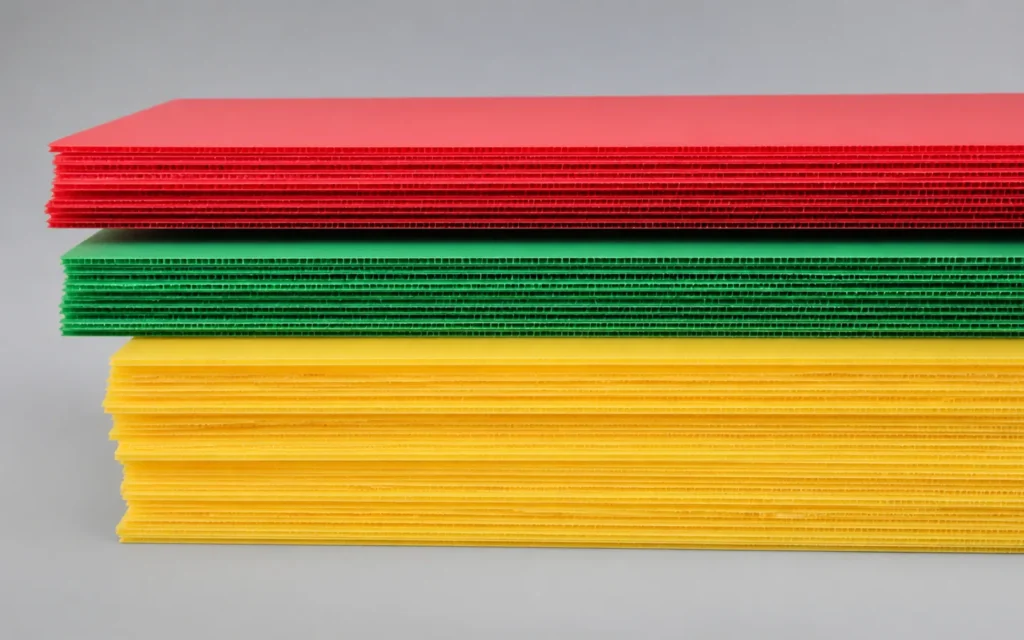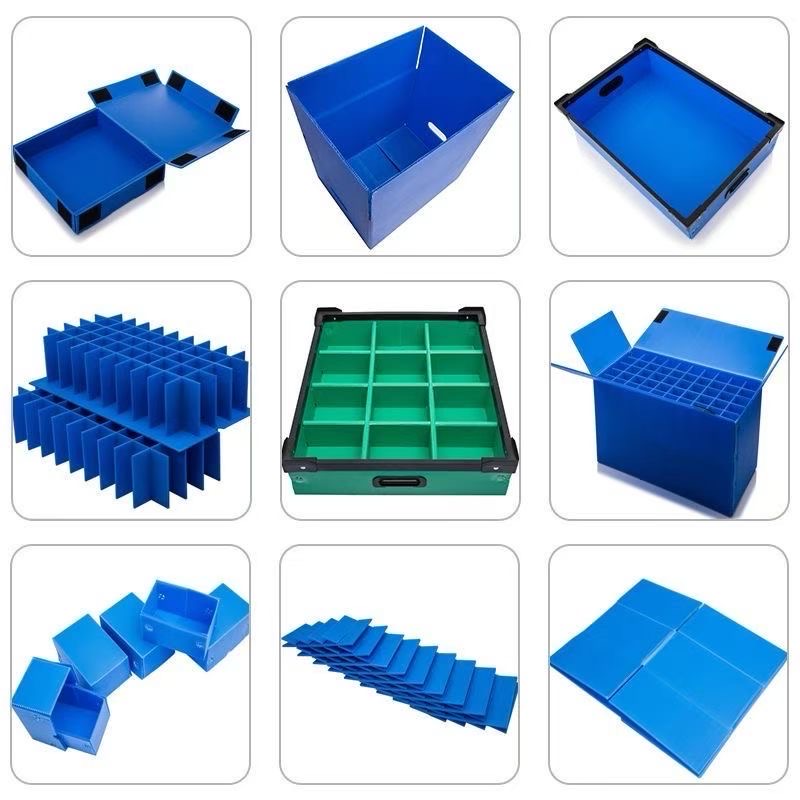
Color can support identification, but it does not by itself define resin grade, mechanical performance or suitability for a particular use condition. For a custom PP corrugated box, plastic divider or layer pad, first decide what the color must communicate and how people or equipment will read it.
PP hollow sheet color can distinguish a production line, ownership group, part status or return loop. The useful specification is therefore more than a color name: it includes the reference standard, viewing conditions, print or label contrast, permitted variation and the point in the process where the color is checked.
Define What Color Must Communicate
Start with the operational decision that the color supports. A visual cue for operators, a customer brand color and a camera-readable identification field have different acceptance needs.
- Identification role: SKU family, process stage, ownership, inspection status or return-loop segregation.
- Reference: an approved physical sample or a named color system reference, not only a screen image.
- Viewing point: factory lighting, warehouse aisle, vehicle interior or machine-vision station.
- Applied information: print color, adhesive label, barcode, document pocket or warning mark that must remain legible.
- Control method: visual master comparison or an agreed instrument-based method where tighter control is necessary.
- Lifecycle: expected reuse, cleaning, repair and end-of-life sorting route.
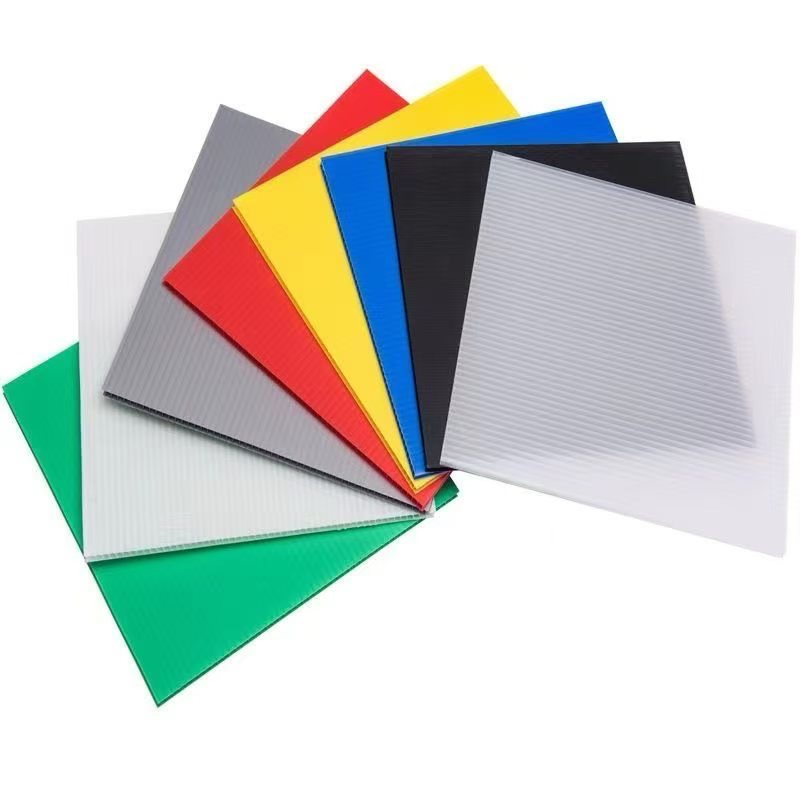
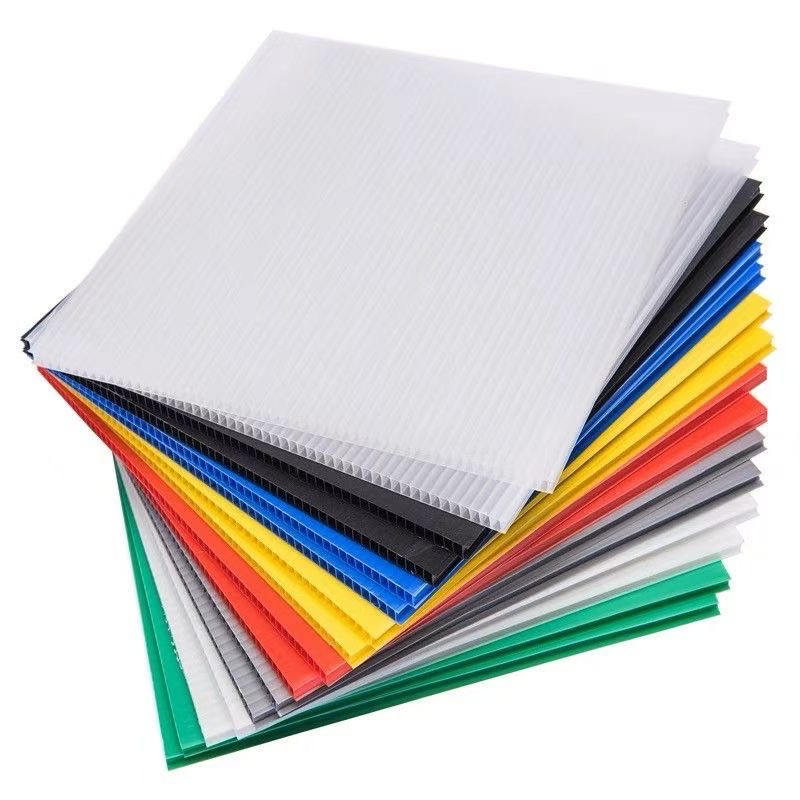
Separate Visual Identification From Material Performance
Pigment or color masterbatch is part of the material formulation, but a finished color does not prove a particular formulation. If stiffness, impact behavior, surface treatment, cleanliness or another property matters, specify and verify that property separately. Do not approve a substitution solely because two sheets appear to have the same color.
Check Contrast for Printing, Labels and Inspection
Evaluate the sheet together with the information placed on it. Dark print on a dark sheet, a low-contrast barcode or glare from a glossy label can weaken identification even when the base color is correct. Review representative print and label samples under the lighting and viewing distance used on the line; include camera checks when automated reading is part of the process.
Review Use Conditions Before Confirming a Color
Lighting can change how a color appears, and use conditions may change its appearance over time. Tell the supplier about relevant cleaning agents, outdoor exposure, heat or prolonged service conditions so that an appropriate sample evaluation can be planned. Any color-difference limit should name the reference, instrument method and acceptance point instead of relying on an undefined phrase such as “close enough.”
Plan Reuse, Repair and End-of-Life Sorting
Consistent color can make ownership and return-loop sorting easier, including identification of replacement panels or repaired units. At end of life, however, color is only a sorting aid; resin type, attached hardware, labels and contamination still need to be considered. A color code should be documented so that its meaning remains consistent across sites and repeat orders.
Prepare a Color-Control Brief
Provide the operational meaning of the color, physical or system reference, viewing conditions, print and label colors, control method, expected lifecycle and order quantity. The supplier can then prepare representative sheet or converted-packaging samples for approval before production.