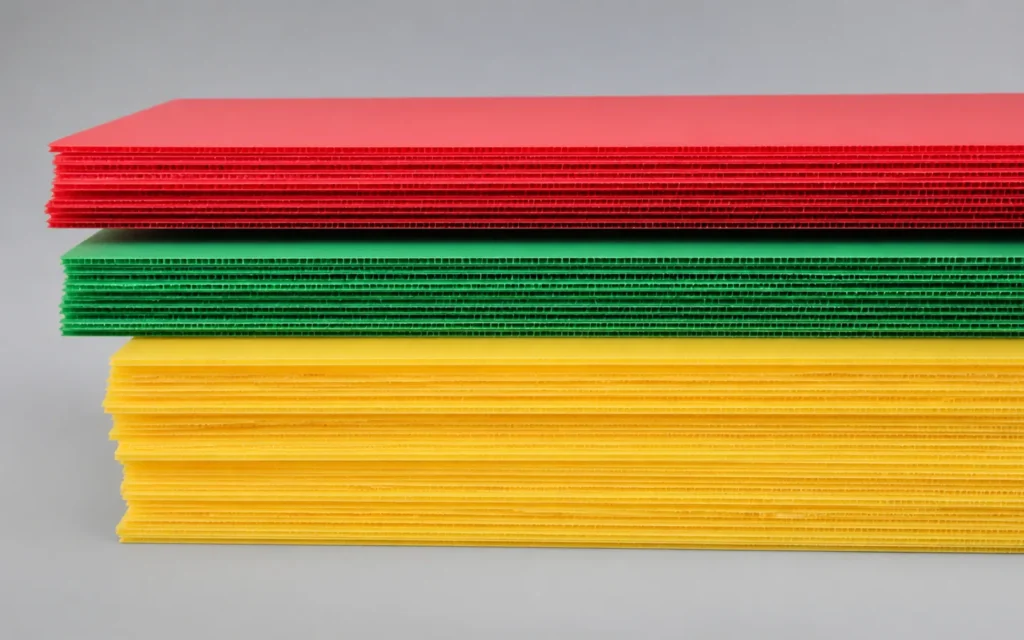
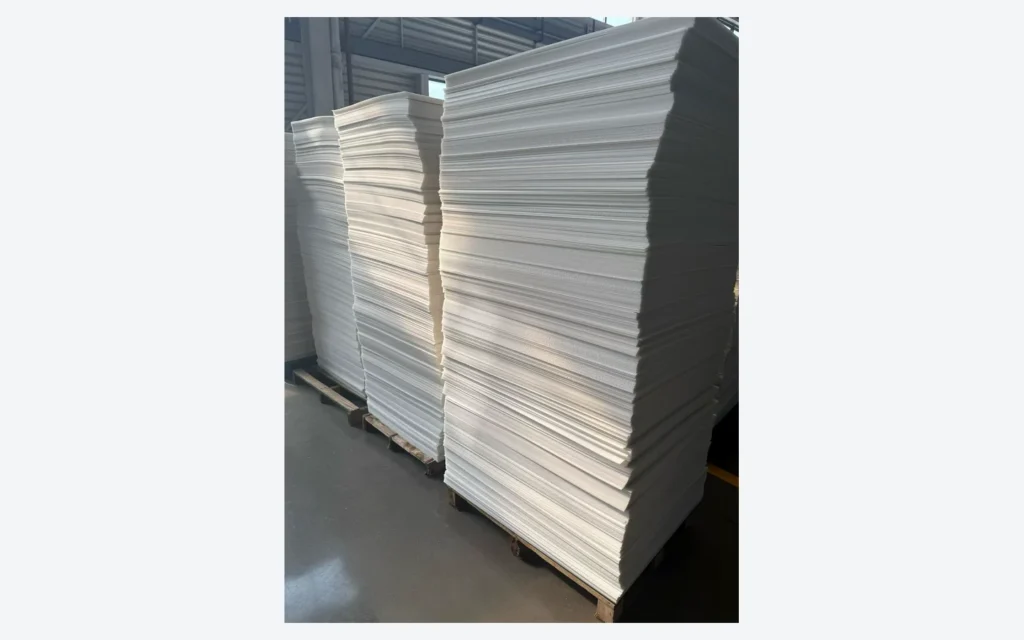
The choice between PP hollow sheet and corrugated cardboard should begin with the packaging loop. Asking which material is “better” removes the conditions that actually matter.
Corrugated cardboard may suit a route where the package is used once, recycling infrastructure is available and exposure conditions are controlled. PP hollow sheet may be considered when a reusable structure, washable surface, converted divider or repeated internal handling is part of the project. Those are decision directions, not universal performance claims.
I compare the complete system: how the part is protected, how operators pack it, how the container is moved, what happens after delivery and how damaged packaging is identified. Material price per sheet cannot answer those questions.
The internal structure is also important. A divider made from either material can fail if the cell geometry, contact points or loading direction are wrong. The outer box may limit the usable dimensions. A layer pad may need cut-outs or identification. These details often matter more than a generic material comparison.
Sustainability decisions also require evidence. Reuse assumptions should be based on the actual route and acceptance criteria. End-of-life options depend on local collection and processing. Avoid declaring one material automatically sustainable without defining the system boundary.
For a project review, provide the part, route, required quantity per container, existing box information and the expected handling conditions. The material choice can then follow a practical comparison.
Next step: submit the application details for a project-specific review.