
Material for industrial conversion
PP Corrugated Sheet for Industrial Packaging and Conversion
Twinwall polypropylene sheet supplied and converted for dividers, layer pads, reusable boxes and protective components, with the specification reviewed around the finished application.
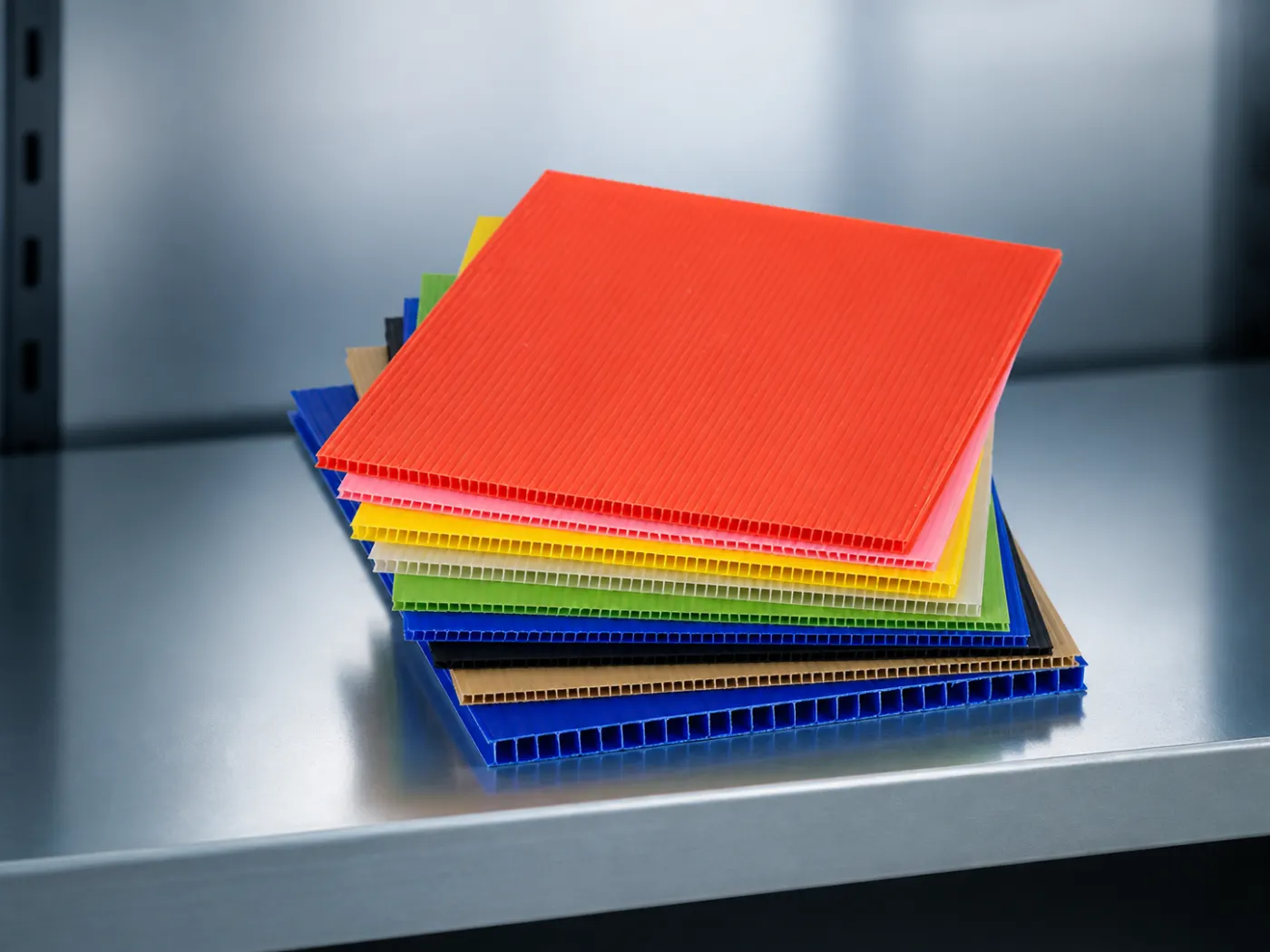
PP corrugated sheet, also called PP hollow sheet or twinwall polypropylene sheet, is a lightweight twinwall polypropylene board with parallel flutes between two skins. It can be cut, creased, printed, welded or assembled into packaging components. Suitability depends on thickness, basis weight, flute direction, surface treatment and the conditions of the finished application.
Material variables
Specify the sheet around the converted part
A nominal thickness alone does not define the finished result. These inputs should be reviewed together.
Thickness and basis weight
Both influence stiffness, handling and conversion behaviour; neither should be assessed in isolation.
Flute direction
The direction of the internal ribs affects folding, panel behaviour and how a converted part is oriented.
Surface and colour
Colour, corona treatment, printing, texture and cleanliness requirements follow the use case.
Sheet size and flatness
Finished dimensions, tolerances, edge condition and storage method matter during conversion.
Conversion support
Move from flat sheet to a usable packaging component
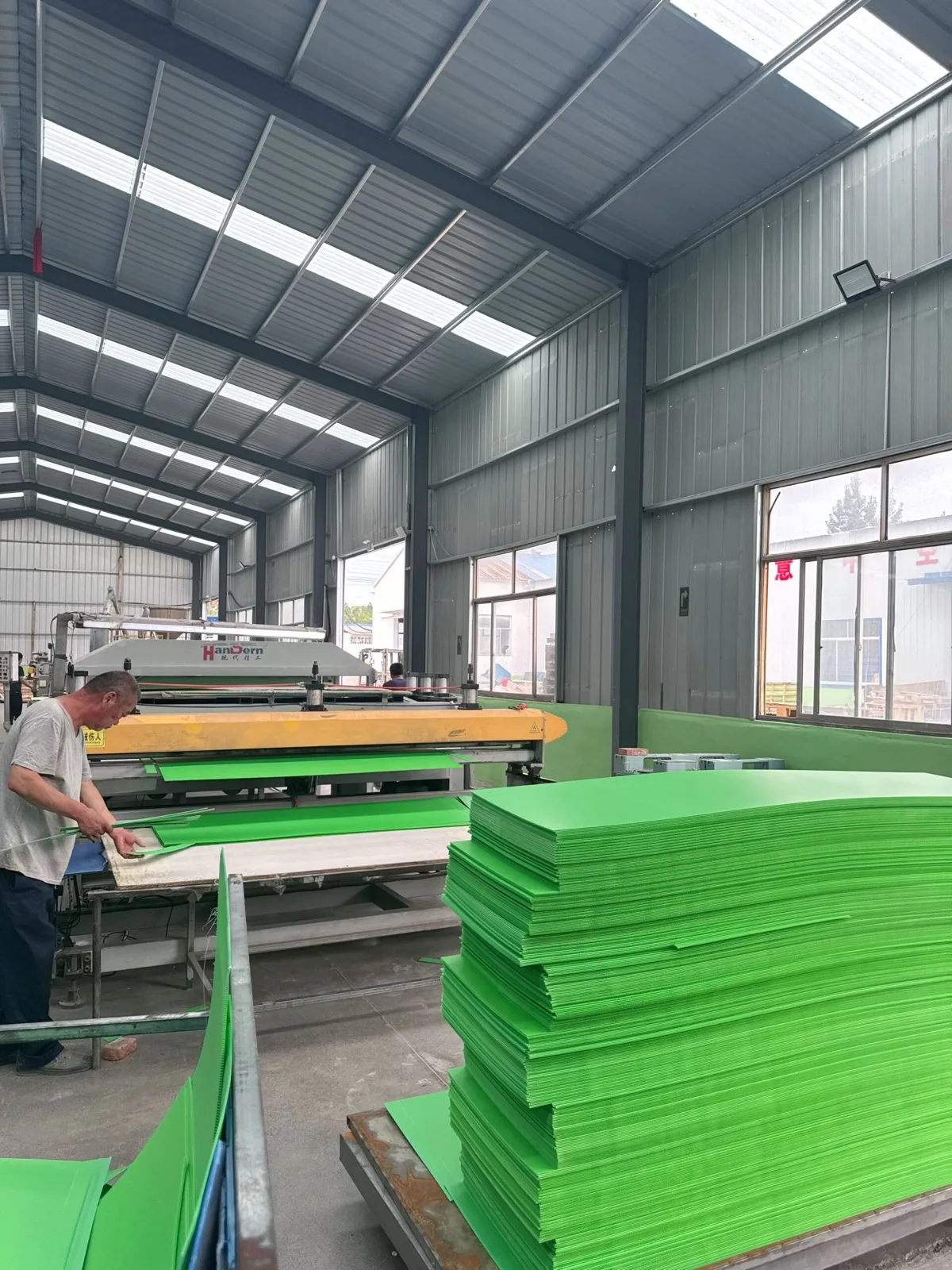
Conversion planning starts with the finished part and determines the required material, tooling and assembly route.
Converted applications
One sheet material, several packaging roles
The specification should follow the geometry and operating conditions of the finished component.
Divider systems
Interlocking cells for separation, location and line-side handling.
Layer pads
Flat or converted interlayers between products, trays or pallet levels.
Reusable boxes
Foldable or fixed containers with handles, rims, lids or internal fittings.
Protection panels
Cut profiles for surface, edge or temporary transit protection.
Storage and handling
Protect flatness, edges and identification before conversion
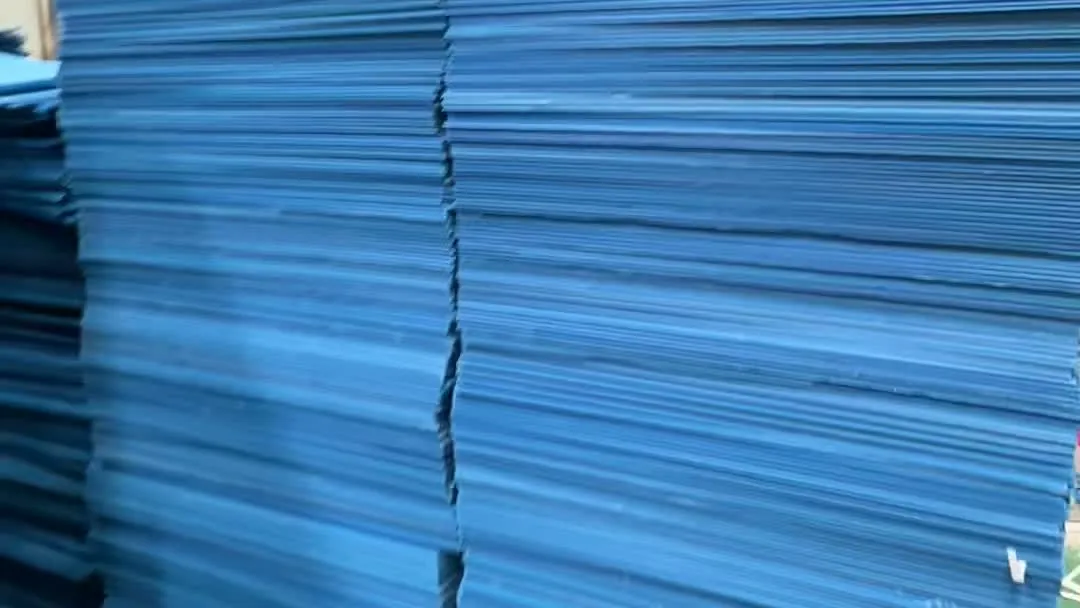
Bundle method, pallet support, edge protection, labelling and lot separation should match the sheet size and downstream process. Handling damage can affect otherwise suitable material.
RFQ checklist
Provide the known inputs and leave unknowns visible
A useful review can begin before every value is final, provided assumptions are not hidden.
Use the sheet specification checklist for a detailed enquiry.
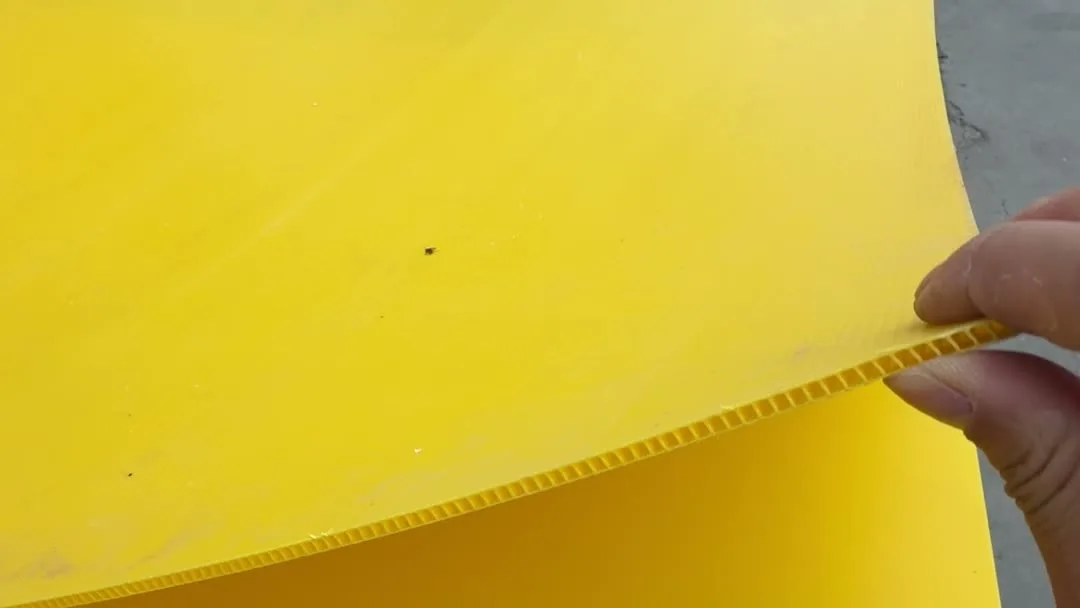
Twinwall structure
Skins and flutes create a directional material
The parallel channels are visible at the sheet edge. Their orientation should be shown on drawings because it can affect creasing, slotting, panel rigidity and the way loads travel through the converted component.
For drawing preparation, see the flute direction guide and sheet size versus finished-part size.
Related Guide
Prepare PP hollow sheet specifications
Review the sheet inputs first, then use the quote form for a project-specific discussion.